

Choosing the Right Brand Activation Agency: Insights and Tips
Discover how to choose the right brand activation agency. Get insights on strategies, types, and evaluations for memorable brand experiences.
Brand Activation Agency: Top 5 Tips to Choose the Best
Introduction
A brand activation agency plays a crucial role in bringing your brand to life through engaging, memorable experiences. Whether you’re looking to build awareness, find new customers, or enhance engagement, choosing the right agency can make all the difference.
Here’s what a brand activation agency can do for you:
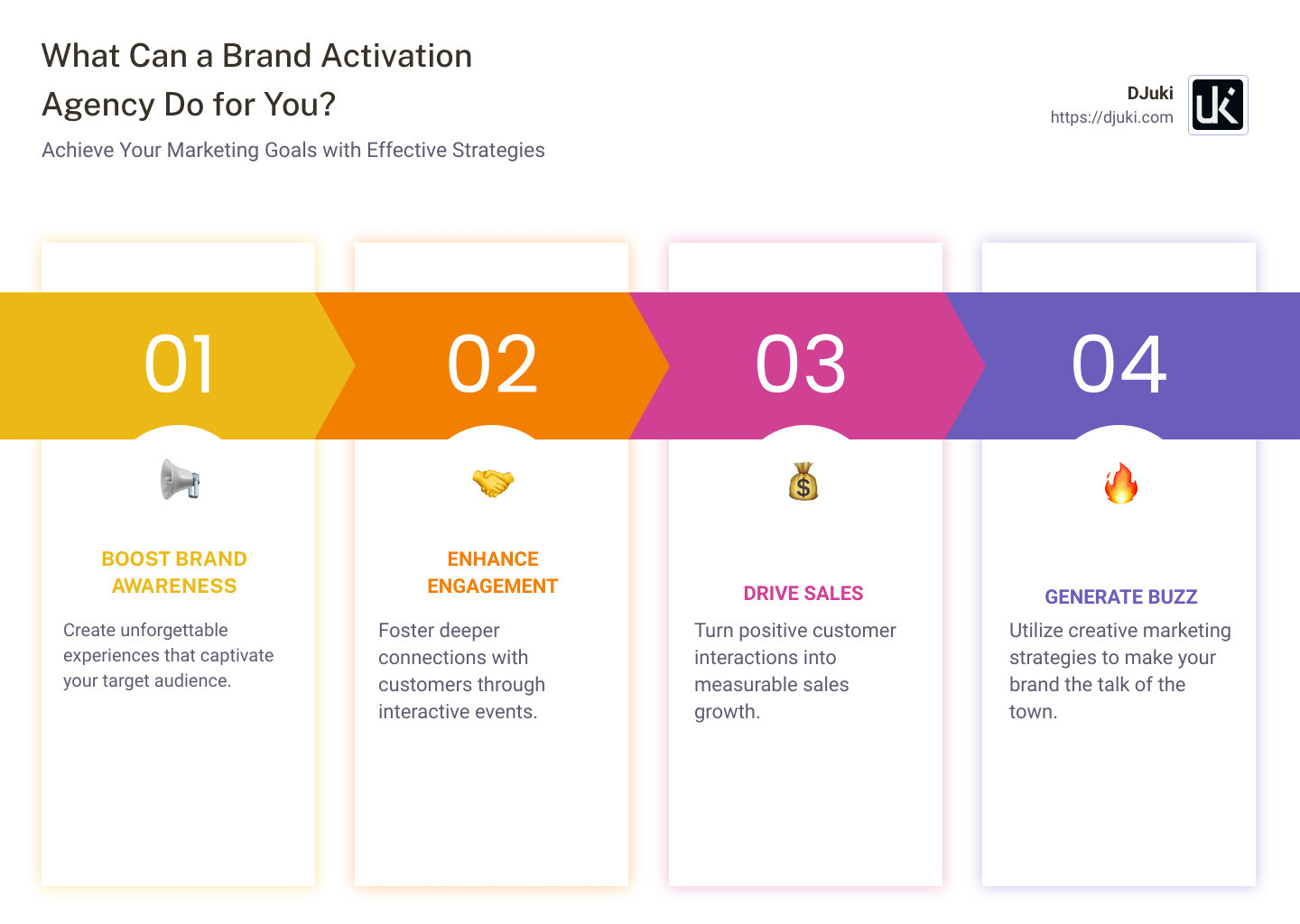
- Boost Brand Awareness: Create unforgettable experiences that captivate your target audience.
- Enhance Engagement: Foster deeper connections with customers through interactive events.
- Drive Sales: Turn positive customer interactions into measurable sales growth.
- Generate Buzz: Utilize creative marketing strategies to make your brand the talk of the town.
Brand activation is vital because it transforms passive audiences into active participants. It not only raises awareness but also deepens loyalty by making customers feel part of the brand’s story.
Hi, I’m Kirill Basov, DJ and founder of UKi Productions. With years of experience in brand activation and event production, I’m here to guide you through understanding how a brand activation agency can elevate your brand. Now, let’s dive into the specifics about what these agencies do and how they can meet your needs.
Understanding Brand Activation Agencies
What is a Brand Activation Agency?
A brand activation agency specializes in creating memorable experiences that engage audiences, raise brand awareness, and build customer loyalty. These agencies strategize and orchestrate brand activations across various platforms—online, in-person, and hybrid.
By leveraging creative ideas and innovative technologies, they turn passive viewers into active participants. Whether it’s through a digital campaign or a live event, the goal is to make the audience feel like part of the brand’s story.
Examples of Brand Activation
Brand activation can take many forms, from product demos to large-scale experiential campaigns. Here are a few examples:
-
Product Demonstrations: Imagine a tech company showcasing a new gadget at a trade show. Attendees can try the product firsthand, ask questions, and see its features in action. This type of activation not only educates but also excites potential customers.
-
Experiential Campaigns: Think about a pop-up store by a fashion brand where visitors can design their own clothes using digital tools. This immersive experience connects customers emotionally to the brand, making them more likely to become loyal fans.
-
Interactive Events: Picture a beverage company setting up a virtual reality (VR) booth at a music festival. Attendees can experience the brand’s story through VR, creating a lasting impression and encouraging social media shares.
The Role of a Brand Activation Manager
A brand activation manager plays a crucial role in bringing these experiences to life. Their responsibilities include:
-
Design: Crafting a creative concept that aligns with the brand’s identity and resonates with the target audience.
-
Development: Coordinating the logistics, from venue selection to vendor management, ensuring every detail is planned and executed flawlessly.
-
Marketing Strategies: Developing strategies to promote the activation, leveraging social media, email campaigns, and other channels to maximize reach and impact.
A brand activation manager is the bridge between the brand and its audience, ensuring that every interaction is meaningful and memorable.
Strategizing and Orchestrating
Strategizing involves understanding the brand’s goals and the audience’s needs. It requires a deep dive into market research, customer data, and creative brainstorming. Once the strategy is set, the orchestrating begins.
Orchestrating means bringing the strategy to life. This can involve:
-
Online Activations: Social media campaigns, interactive websites, or virtual events that engage audiences digitally.
-
In-Person Activations: Live events, pop-up shops, or street team promotions that create face-to-face interactions.
-
Hybrid Activations: Combining online and in-person elements to reach a broader audience and provide a seamless experience across multiple platforms.
By understanding the unique strengths of each activation type, a brand activation agency can tailor its approach to meet specific project needs, ensuring a successful and impactful campaign.
Next, we’ll explore the different types of brand activation agencies and how to choose the right one for your needs.
Types of Brand Activation Agencies
Choosing the right brand activation agency is crucial for creating memorable experiences that resonate with your audience. Here’s a breakdown of the different types of agencies and what they offer:
Experiential Marketing Agency
Experiential marketing agencies focus on creating immersive experiences that foster emotional connections between brands and consumers. They use sensory marketing techniques to evoke emotions and create lasting memories.
Strengths:
- Immersive Experiences: These agencies excel at creating environments that captivate audiences.
- Emotional Connections: By engaging multiple senses, they create strong emotional bonds with the brand.
Weaknesses:
- Cost: Immersive experiences can be expensive, making them less ideal for smaller budgets.
- Outsourcing: Often rely on third parties for technology and fabrication, adding to costs.
Services Provided:
- Strategy and planning
- Creative design
- Event production
- Technological integration
- Post-event analysis
Event Marketer or Event Planner
Event marketers or planners specialize in organizing and executing events, from product launches to corporate gatherings. They handle the many details that make an event successful.
Strengths:
- Logistical Management: They ensure every aspect of the event runs smoothly.
- Budget Management: Skilled at keeping events within budget.
- Vendor Management: Extensive network of suppliers and contacts.
Weaknesses:
- Limited Creativity: Focus more on logistics than on creating unique brand experiences.
Services Provided:
- Venue selection
- On-site coordination
- Budget management
- Vendor sourcing
Design Firm
Design firms focus on the visual and aesthetic aspects of brand activations. They help create a strong brand identity through stunning visuals.
Strengths:
- Visual Design: Experts in creating eye-catching designs.
- Brand Identity: Help solidify and enhance a brand’s visual appeal.
Weaknesses:
- Limited Scope: Primarily focus on design, not on full event execution.
Services Provided:
- Graphic design
- Visual branding
- Interactive elements
- Aesthetic consulting
Fabrication Studio
Fabrication studios specialize in the physical creation of brand activation elements. They build custom fixtures and interactive installations.
Strengths:
- Physical Creation: Experts in bringing designs to life.
- Custom Fixtures: Create unique, tailor-made elements.
Weaknesses:
- Limited Strategy: Focus mainly on production, not on overall strategy or design.
Services Provided:
- Custom fabrication
- Carpentry and metalworking
- 3D printing and CNC machining
- On-site assembly and disassembly
Experiential Design & Production Company
Experiential design & production companies offer an all-encompassing solution. They handle everything from design to execution, ensuring a cohesive brand experience.
Strengths:
- All-encompassing Solution: Manage all aspects of the activation.
- Design to Execution: Ensure consistency from start to finish.
Weaknesses:
- Comprehensive Approach: May be overkill for smaller projects needing a la carte services.
Services Provided:
- Creative strategy
- Design creation
- Custom fabrication
- Event execution
Choosing the right type of brand activation agency depends on your specific needs, resources, and budget. Next, we’ll discuss how to choose the right agency based on your project’s scope and in-house resources.
Choosing the Right Brand Activation Agency for Your Needs
Selecting the right brand activation agency is crucial for a successful campaign. Here’s how to make an informed choice based on your project’s scope, in-house resources, and budget.
Strategy Phase Considerations
Project Scope and Marketing Team:
Before diving into agency options, assess your project scope. Do you need a comprehensive strategy or just specific elements? If your marketing team has already developed a solid activation strategy, you might not need the full suite of services offered by some agencies.
If you’re starting from scratch, consider agencies that excel in strategic planning. They can help you define your goals, target audience, and key performance indicators (KPIs). For example, BeCore emphasizes the importance of starting early and having contingency plans, which can be crucial for a seamless event.
Design Phase Considerations
Creative Team and Visuals:
If you have a creative team in-house, they might already have a vision for the visuals and interactive elements of your activation. In this case, you might only need a design firm to refine and execute these ideas.
Visuals and Interactives:
Design firms specialize in creating visually appealing and engaging elements. They can enhance your brand identity and ensure that your visuals resonate with your audience. For instance, Bridgewater Studio offers both comprehensive and a la carte services, allowing seamless integration with your internal teams.
Production Phase Considerations
Physical Construction:
When it comes to bringing your vision to life, fabrication studios are your go-to. They specialize in the physical creation of custom fixtures and interactive elements. If you already have the strategy and design covered, a fabrication studio can handle the build-out.
Event Execution:
For end-to-end solutions, consider an experiential design & production company. They manage everything from design to execution, ensuring consistency throughout. This option can be especially beneficial if you want to streamline the process with a single partner. As noted, these companies excel in logistical planning and event execution, making sure every detail aligns with the initial design concept.
Budget Considerations:
Lastly, always keep your budget in mind. Full-service agencies might offer comprehensive solutions but can be costly. On the other hand, specialized agencies like design firms or fabrication studios can provide targeted services that align with your budget without compromising on quality.
By carefully evaluating your needs in each phase—strategy, design, and production—you can choose the right brand activation agency that aligns with your objectives and resources. Next, we’ll dive into how to evaluate potential agencies based on their strengths and weaknesses.
How to Evaluate a Brand Activation Agency
When evaluating a brand activation agency, it’s crucial to assess both their strengths and weaknesses. This ensures you choose an agency that aligns with your goals and can effectively bring your brand activation to life.
Assessing Agency Strengths
Experience
Experience is a key factor. An agency with a long track record likely has the expertise to handle various challenges. For example, DJuki has over 20 years of experience in brand activation, which speaks volumes about their capability to deliver successful campaigns.
Portfolio
Reviewing an agency’s portfolio can give you insight into their creative capabilities and the types of projects they’ve handled. Look for case studies and examples that resonate with your brand’s vision. Agencies that have worked with big names like Disney and Converse show they can handle high-profile projects.
Client Testimonials
Client testimonials provide accounts of the agency’s performance. Positive feedback from previous clients can be a strong indicator of reliability and quality. Look for testimonials that highlight the agency’s ability to meet deadlines, stay within budget, and exceed expectations.
Niche Specialization
Some agencies specialize in specific niches, such as experiential marketing or event planning. If your project requires specialized skills, choosing an agency with a niche focus can be beneficial. For instance, an experiential marketing agency excels in creating immersive experiences that foster emotional connections.
Creative Output
The creative output of an agency is a critical factor. Agencies like design firms are known for their visually compelling environments that effectively convey a brand’s identity. Check if their creative work aligns with your brand’s aesthetics and message.
Strategic Insight
Strategic insight is essential for developing an effective activation. An agency with strong strategic capabilities can help you craft a plan that aligns with your marketing objectives. Experiential marketing agencies often excel in this area, offering comprehensive strategy and planning services.
Technological Integration
Technological integration is vital. Agencies that leverage the latest technology can create more engaging and innovative experiences. Look for agencies that incorporate digital fabrication, A/V, and media integration into their projects.
Understanding Agency Weaknesses
Cost Factors
Cost is always a consideration. Full-service agencies can be expensive due to their comprehensive offerings. On the other hand, specialized agencies might offer more budget-friendly solutions but may lack the breadth of services.
Limited Services
Some agencies, like design firms and fabrication studios, may have limited services. While they excel in their areas of expertise, they might not offer the full spectrum of services needed for a complete activation. This could mean you need to coordinate with multiple vendors.
Outsourcing Needs
Outsourcing can be a double-edged sword. While it allows agencies to bring in specialized skills, it can also lead to higher costs and coordination challenges. Event planners, for instance, often outsource digital fabrication and media integration, which can increase the overall project cost.
By thoroughly evaluating these factors, you can choose a brand activation agency that aligns with your needs and ensures a successful activation. Next, we’ll address some frequently asked questions about brand activation agencies.
Frequently Asked Questions about Brand Activation Agencies
What does a brand activation strategy entail?
A brand activation strategy involves creating events or campaigns that engage customers and leave a lasting impression. This can include:
- Events: These can range from product launches to immersive experiences. For instance, a tech company might host a launch event where attendees can try out new gadgets.
- Campaigns: These are planned efforts to promote a specific aspect of a brand. A campaign might focus on social media engagement, such as a hashtag challenge on TikTok.
- Customer Interactions: Every touchpoint with a customer is crucial. From the moment they hear about the event to the follow-up emails, each interaction should be meaningful and consistent with the brand’s message.
How can brand activation deepen customer loyalty?
Brand activation can deepen customer loyalty by providing memorable experiences and emotional engagement.
- Memorable Experiences: Creating a unique event that stands out in the customer’s mind can foster a deeper connection. For example, a retail pop-up that offers exclusive products and an interactive experience can make customers feel special.
- Emotional Engagement: Engaging customers on an emotional level can strengthen their loyalty. For instance, an experiential marketing campaign that tells a compelling story can evoke emotions and make customers feel more connected to the brand.
What are the latest trends in brand activation?
Several trends are shaping the landscape of brand activation:
- Technology Use: Incorporating technology, such as augmented reality (AR) and virtual reality (VR), can create more immersive and engaging experiences. For example, a fashion brand might use AR to let customers virtually try on clothes.
- Sustainability: More brands are focusing on sustainable practices in their activations. This includes using eco-friendly materials and promoting environmental awareness. A company might host a zero-waste event to highlight its commitment to sustainability.
- Personalization: Tailoring experiences to individual preferences can enhance customer satisfaction. Using data and AI, brands can create personalized interactions that resonate more deeply with customers. For instance, a personalized email campaign that offers product recommendations based on past purchases can make customers feel valued.
These trends not only make brand activations more effective but also align with the evolving expectations of today’s consumers.
Conclusion
Choosing the right brand activation agency is crucial for creating memorable experiences that resonate with your audience. At DJuki, we understand the importance of aligning our goals with yours to ensure a successful activation.
Our approach is simple:
-
Understand Your Vision: We start by deeply understanding your brand and what you aim to achieve. This helps us create experiences that are not just engaging but also aligned with your brand values.
-
Craft Memorable Experiences: Using our expertise in entertainment marketing, we design multi-sensory experiences that captivate and engage. Whether it’s through interactive DJ sets, innovative lighting effects, or immersive virtual reality, we bring your vision to life.
-
Strategic Execution: From planning to execution, our team ensures every detail is perfect. We handle everything from music and lighting to venue selection and branded installations. Our goal is to make your event not just attended but remembered.
By choosing DJuki, you’re not just getting an agency; you’re getting a partner dedicated to making your brand activation a success. Let’s create unforgettable experiences together.
Learn more about our services here.
Ready to elevate your next event? Contact us today to get started.