

The Ultimate Guide to Entertainment Marketing: Tips and Tricks
Unlock the secrets of entertainment marketing with our comprehensive guide. Discover strategies, career tips, and future trends in the industry.
Entertainment Marketing: Top 10 Tips & Tricks for 2024 Success
Introduction
Entertainment marketing is a powerful tool used by businesses to reach large, engaged audiences by integrating their brand into entertainment content.
Key points:
– Overview: Utilize entertainment within marketing strategies to engage audiences through various channels like social media, TV, and music.
– Importance: It creates memorable experiences, blending advertising seamlessly with entertainment.
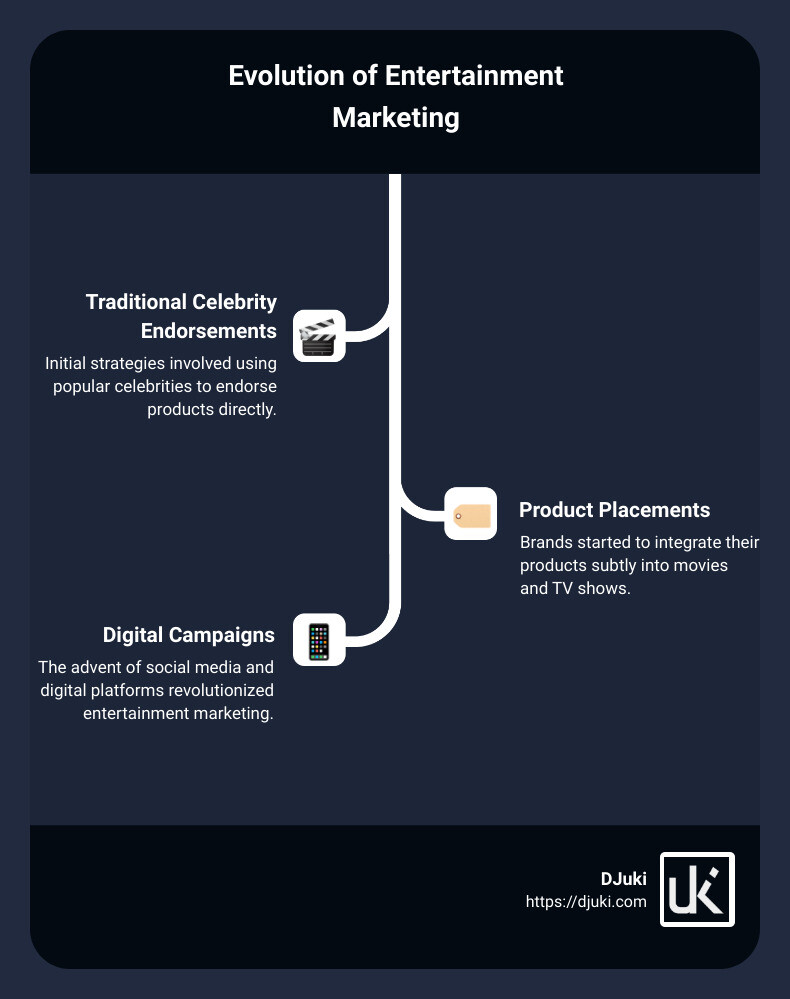
– Evolution: From traditional celebrity endorsements to advanced digital campaigns, the landscape of entertainment marketing continues to evolve rapidly.
Imagine watching your favorite TV show and noticing subtle product placements that fit perfectly into the storyline. Or seeing a popular influencer share a behind-the-scenes look at an upcoming movie. These are all examples of how entertainment marketing seamlessly integrates brands into the content we enjoy every day.
In this guide, we will discuss the ins and outs of entertainment marketing, its significance, and how it continues to evolve in the digital age. By understanding these elements, you’ll be better equipped to leverage entertainment marketing for your business or event.
Understanding Entertainment Marketing
What is Entertainment Marketing?
Entertainment marketing is a sophisticated strategy that integrates brands into various forms of entertainment, such as TV shows, movies, music, and online content. Unlike traditional advertising, which often disrupts the viewer’s experience, entertainment marketing aims to create a narrative that resonates with the audience. This makes the brand an intrinsic part of their entertainment experience.
At its core, entertainment marketing is about crafting stories and experiences that evoke emotions and build a connection between the brand and the audience. This emotional bond is more effective than a straightforward advertisement because it feels natural and engaging.
How is Marketing Used in the Entertainment Industry?
Channels and Strategies
In the entertainment industry, marketing reaches consumers through a myriad of channels. Traditional advertising methods like commercials and mass media ads have now been complemented with more immersive strategies. Some of these include:
- Product Placements: Integrating a product into the storyline of movies or TV shows. For example, a high-end sports car featured in a blockbuster movie chase scene can make the car appear more desirable.
- Celebrity Endorsements: Celebrities promoting products either through social media or public appearances. This strategy leverages the celebrity’s influence to attract their fan base to the brand.
- Influencer Marketing: Collaborating with social media influencers to promote a brand. This is particularly effective on platforms like Instagram and TikTok, where influencers have a significant following.
Brand Integration
Brand integration is the art of weaving a brand into the fabric of popular media content. This can range from subtle product placements in movies to more overt endorsements by celebrities and influencers. The goal is to make the brand a seamless part of the entertainment experience, enhancing the viewer’s enjoyment without feeling like an advertisement.

For instance, consider a blockbuster movie where the protagonist uses a specific smartphone model to solve a critical problem. The smartphone isn’t just a prop; it’s integral to the storyline, showcasing its features and capabilities in a memorable way.
Storytelling and Experience
Storytelling is a powerful tool in entertainment marketing. By creating a compelling narrative, brands can engage the audience on a deeper level. This approach goes beyond just showcasing a product; it involves creating an experience that the audience can connect with emotionally.
For example, a music video featuring a popular artist might include scenes where the artist uses a particular brand’s products. The brand becomes associated with the artist’s lifestyle, making it more appealing to fans.
Platforms
The entertainment industry offers a wide array of platforms for marketing:
- TV Shows and Movies: Traditional yet effective platforms for product placements and brand integration.
- Music Videos: Artists often collaborate with brands to feature their products in music videos.
- Social Media: Platforms like Instagram, TikTok, and YouTube are ideal for influencer marketing and viral content.
- Streaming Services: Ads and product placements in content on platforms like Netflix and Hulu reach a wide audience.
By understanding these channels and strategies, marketers can create campaigns that are both engaging and effective, seamlessly integrating brands into the entertainment content that audiences love.
Key Strategies in Entertainment Marketing
Brand Integration Techniques
Brand integration is all about embedding a brand seamlessly into entertainment content. This technique makes the brand part of the story, rather than interrupting it.
-
Movies and TV Shows: Think of a character in a popular TV show always drinking a particular brand of soda. This is brand integration. It’s subtle but effective. For example, a specific smartphone brand might be used by the protagonist in a popular film series, subtly showcasing its features.
-
Music Videos: Artists often collaborate with brands to feature their products in music videos. This can be as simple as wearing branded clothing or as elaborate as centering the video around a product.
Leveraging Celebrity Endorsements
Celebrity endorsements are powerful because fans trust their favorite stars.
-
Social Media Campaigns: Celebrities often share their favorite products on platforms like Instagram and TikTok. When a well-known personality uses a product in their day-to-day life and shares it with their fans on social media, it creates a ripple effect, influencing consumer behavior.
-
Public Appearances: Celebrities can also endorse brands during public appearances. Whether it’s a red carpet event or a press conference, their association with a brand can boost its credibility and appeal.
The Power of Social Media in Entertainment Marketing
Social media has transformed entertainment marketing. It’s where audiences spend their time, making it a crucial platform for marketers.
-
TikTok: This platform is a hotspot for viral content. Brands can collaborate with influencers to create engaging videos that quickly spread across the platform. For example, a dance challenge featuring a new song can go viral, boosting both the song and the brand associated with it.
-
Instagram: Instagram is perfect for visual storytelling. Brands use it for influencer marketing, where influencers share posts and stories featuring the brand. This platform is also great for interactive content like polls and Q&A sessions, which increase engagement.
-
Viral Content: Creating content that resonates with audiences and encourages sharing is key. Viral campaigns can significantly boost brand awareness. For instance, a clever hashtag or a funny video can spread like wildfire, reaching millions in a short time.
By leveraging these strategies and techniques, entertainment marketers can effectively engage audiences and integrate brands into the entertainment landscape. This approach not only promotes products but also enhances the overall audience experience.
The Role of Entertainment Marketers
What Does an Entertainment Marketing Manager Do?
An entertainment marketing manager plays a crucial role in connecting brands with audiences through strategic and creative campaigns. Their job is multifaceted, balancing creativity with strategic planning to ensure successful brand integration.
Job Description:
An entertainment marketing manager develops and implements marketing strategies that align with the target audience’s interests. They work on integrating brands into various entertainment mediums, such as TV shows, movies, and music videos. Their goal is to make the brand a seamless part of the entertainment experience.
Responsibilities:
1. Campaign Management:
– Orchestrating Campaigns: Managers design and execute campaigns that promote brands through entertainment platforms. This includes product placements, celebrity endorsements, and social media promotions.
– Tracking Performance: They monitor key performance metrics like click-through rates and engagement levels to assess the success of campaigns and make necessary adjustments.
- Brand Awareness:
- Building Brand Presence: By embedding brands into popular culture, managers increase brand visibility and recognition. A good example is the strategic product placement of a sports car in a blockbuster movie, making the car a symbol of excitement and luxury.
-
Engaging Audiences: They create content that resonates with audiences, encouraging interaction and sharing. Viral campaigns, like a catchy hashtag or a humorous video, can significantly boost brand awareness.
-
Strategic Planning:
- Identifying Opportunities: Managers analyze market trends and audience demographics to identify the best opportunities for brand integration. This includes leveraging current pop culture trends and consumer behaviors.
- Collaborating with Creatives: They work closely with creative teams to ensure that the brand is integrated in a way that feels natural and enhances the entertainment experience.
Skill Set:
To excel, an entertainment marketing manager needs a diverse skill set:
- Creativity: Essential for developing engaging and memorable campaigns.
- Analytical Thinking: Important for analyzing data and measuring campaign success.
- Communication: Crucial for collaborating with various stakeholders, including creative teams and brand partners.
- Adaptability: Necessary to stay ahead in a industry with rapidly changing trends.
- Networking: Building strong industry connections can open doors to new opportunities and collaborations.
Entertainment marketing managers are the architects behind campaigns that strike a chord with audiences. They ensure that every piece of content aligns with the brand’s goals and resonates with the target market.
By mastering these responsibilities and skills, entertainment marketers can create impactful campaigns that not only promote brands but also enhance the overall audience experience.
Next, we’ll explore how to break into the field of entertainment marketing.
Breaking into the Field of Entertainment Marketing
How to Break into Entertainment Marketing
Breaking into entertainment marketing can be challenging but rewarding. Here are some essential steps:
Education
- Degrees: Consider pursuing a degree in entertainment business or marketing. These programs provide foundational knowledge in marketing principles and industry-specific insights.
- Courses: Look for courses that cover digital marketing, social media strategies, and consumer behavior.
Networking
- Industry Events: Attend conferences, workshops, and industry events. Networking with key players can open doors and provide valuable insights.
- Alumni Networks: Utilize alumni networks from your educational institutions to connect with professionals in the field.
Experience
- Internships: Internships offer hands-on experience and can be a stepping stone into full-time roles. Many programs provide internship placements as part of their curriculum.
- Volunteer Opportunities: Volunteering at events or with entertainment organizations can help build your resume and expand your network.
Is an Entertainment Business Degree or Marketing Degree Worth It?
When deciding whether to pursue a degree in entertainment business or marketing, consider the following:
Curriculum
- Relevant Courses: Look for programs that offer courses in digital marketing, brand management, and entertainment law.
- Practical Experience: Programs that include internships or practical projects can provide real-world experience.
Industry Connections
- Guest Lectures: Programs that invite industry professionals for guest lectures can offer insights and networking opportunities.
- Partnerships: Schools with strong industry partnerships may offer better internship placements and job opportunities.
Practical Experience
- Internships: Many degree programs include internships, which are crucial for gaining hands-on experience.
- Projects: Look for programs that involve real-world projects, such as creating marketing campaigns for actual clients.
Breaking into entertainment marketing requires a mix of education, networking, and practical experience. By leveraging these elements, you can position yourself for success in this dynamic field.
Next, we’ll address some frequently asked questions about entertainment marketing.
Frequently Asked Questions about Entertainment Marketing
What is an example of entertainment marketing?
Entertainment marketing is all about blending advertising with entertainment to engage audiences. Here are some classic examples:
-
Promotional Interviews: Celebrities often appear on talk shows or podcasts to promote their latest projects. These interviews subtly advertise the movie, TV show, or product while entertaining the audience.
-
Social Media Ads: Platforms like Instagram and TikTok are gold mines for entertainment marketing. Brands collaborate with influencers to create engaging content that promotes their products. For example, an influencer might share a behind-the-scenes look at a new movie premiere.
-
Streaming Ads: Services like Netflix and Hulu integrate ads into their streaming content. Sometimes, these ads are cleverly woven into the shows themselves, like a character using a specific brand of smartphone.
What is the job of entertainment marketing?
An entertainment marketer wears many hats. Here are some of their key responsibilities:
-
Negotiations: They negotiate deals for product placements and brand integrations in movies, TV shows, and music videos. This involves working closely with producers and directors to ensure seamless integration.
-
Endorsements: Leveraging celebrity power, they secure endorsements where celebrities promote products through social media posts, public appearances, or ad campaigns.
-
Product Integration: They strategically place products within entertainment content. For example, a character in a TV show might drink a specific brand of soda, subtly promoting it to the audience.
How much do entertainment marketers make?
Salaries in entertainment marketing vary widely based on experience, location, and the specific role. Here’s a snapshot:
-
Salary Ranges: Entry-level positions might start around $40,000 per year, while more experienced marketers can earn upwards of $100,000 annually.
-
Top Earners: High-level executives or marketing managers in major companies can earn salaries well into the six figures, sometimes exceeding $200,000 per year.
-
Industry Averages: On average, entertainment marketers earn between $60,000 and $90,000 per year. This can vary greatly depending on the size of the company and the scope of the marketing campaigns.
Understanding these aspects can help you navigate the dynamic field of entertainment marketing. Next, we’ll delve into some concluding thoughts and future trends in the industry.
Conclusion
The world of entertainment marketing is changing, and staying ahead requires a keen understanding of emerging trends, strategic insights, and a unique approach to creating memorable experiences.
Future Trends
As technology advances, the entertainment marketing landscape continues to change. Here are some key trends to watch:
-
Virtual Reality (VR) and Augmented Reality (AR): These technologies are set to revolutionize how audiences engage with content. Imagine attending a virtual concert or experiencing a movie scene in AR. These immersive experiences will become more common and offer new marketing opportunities.
-
Metaverse Integration: The metaverse is creating new spaces for interaction. Brands can host virtual events, create digital merchandise, and offer unique experiences. This opens up a whole new realm for marketers to explore.
-
AI and Personalization: Artificial intelligence will play a crucial role in personalizing content. From tailored recommendations to interactive chatbots, AI can enhance user engagement and provide a more customized experience.
DJuki Unique Atmosphere
At DJuki, we understand the importance of creating an unforgettable atmosphere. Whether it’s a corporate event or a private party, our goal is to make every moment special. We blend top-tier sound and lighting with a keen sense of audience engagement to ensure that your event is not just attended but remembered.
Our expertise in entertainment marketing allows us to craft experiences that resonate with your audience. From interactive DJ sets to innovative lighting effects, we bring your vision to life in a way that captivates and entertains.
Ready to elevate your next event? Learn more about our services here.
Strategic Insights
Success in entertainment marketing hinges on several strategic insights:
-
Know Your Audience: Tailor your marketing efforts to the preferences and behaviors of your target audience. Use data analytics to understand what resonates best.
-
Leverage Social Media: Platforms like TikTok and Instagram are powerful tools for creating viral content. Engage with your audience through creative posts, stories, and influencer collaborations.
-
Innovate Continuously: The entertainment industry is dynamic. Stay ahead by experimenting with new technologies and marketing strategies. Whether it’s a guerrilla marketing stunt or an interactive social media campaign, innovation is key.
-
Measure and Adapt: Continuously track the performance of your campaigns. Use metrics like engagement rates and ROI to fine-tune your strategies for better outcomes.
By embracing these trends and strategies, you can navigate the challenges of entertainment marketing and create campaigns that not only reach but also engage your audience deeply. The future holds immense potential, and with the right approach, you can harness this potential to achieve remarkable success.
We hope this guide has provided valuable insights into entertainment marketing. For more information on how DJuki can help you create an unforgettable experience, visit our corporate events programming page.