

An Essential Guide to Understanding What a DJ Does
Discover what a DJ does, from mixing tracks to energizing crowds, in our comprehensive guide. Learn about DJ types, skills, and how to get started.
What is a DJ? Simply put, a DJ, or disc jockey, is someone who selects and plays recorded music for an audience. Whether it’s at a wedding, on the radio, or in a club, their job is to entertain and keep the energy right for the occasion.
At its core, DJing is about creating moments through music. From the early days of playing vinyl records on the airwaves to today’s digital maestros conducting entire festivals, the art of DJing has evolved dramatically. This transformation has been fueled by advances in technology and changes in how we enjoy music, leading to an array of DJing styles and skills.
Founded in the vibrant heart of Miami, DJuki taps into this rich history and evolution to offer unparalleled musical experiences. Whether you’re planning a wedding, a graduation party, or a birthday bash, our goal is to match you with a DJ who doesn’t just play music but crafts a unique atmosphere tailored to your event. Our DJs understand that they’re not just playing tracks—they’re creating memories.

What Exactly Does a DJ Do?
When you hear the term DJ, images of crowded nightclubs and dance floors pulsing with music might come to mind. But there’s more to it. Let’s dive into the heart of what is a DJ and their vibrant world.
Live Audience: A DJ’s primary role is to entertain a live audience. This could be at a nightclub, dance club, or a special event. The DJ is the heartbeat of the party, keeping the energy high and the crowd moving.
Nightclub & Dance Club: Here, DJs curate sets that blend tracks seamlessly, creating an atmosphere that encourages dancing and enjoyment. They select music based on the club’s theme, the time of night, and the crowd’s vibe.
Radio Broadcast & Online Radio: DJs on the radio have a different task. They play music for listeners tuning in from various locations, introducing new tracks and engaging with the audience through stories or facts about the music. Online radio has expanded this role, allowing DJs to reach a global audience with niche genres or themed shows.
Mixes, Remixes, & Tracks: What sets DJs apart is their ability to mix songs, creating a continuous flow of music that maintains the party’s momentum. They might remix tracks live, adding their own flair to popular tunes. DJs also curate tracks, which involves selecting songs that match the event’s mood and audience’s taste.
A DJ’s job is to understand the crowd, selecting songs that will keep them engaged, whether it’s through energetic beats for a dance club or soothing melodies for a lounge. They use a variety of equipment to blend these tracks smoothly, from turntables and mixers to modern DJ software.
What is a DJ? A DJ is an artist, a curator of musical experiences, and sometimes, a technical wizard. They wear many hats, each crucial to creating the unique atmosphere that only live music can offer. From the thumping bass of a nightclub to the intimate vibe of a private event, DJs adapt their skills to provide the soundtrack for countless memories.
Transitioning into the next section, we’ll explore the different types of DJs and the unique roles they play within the music and entertainment industry.
The Meaning and Role of a DJ
When you hear the term DJ or Disc Jockey, you might picture someone standing behind turntables, headphones on, immersed in music. But there’s so much more to it. Let’s break it down into simple bits.
Disc Jockey
At its core, a DJ is someone who selects and plays recorded music for an audience. But a DJ does not just play music; they breathe life into a party, set the mood for a romantic wedding, or energize a radio broadcast. The role of a DJ is dynamic, adapting to the setting and crowd to create unforgettable experiences.
Music Selection
Choosing the right track at the right moment is an art. DJs have an extensive library of music across different genres. They use this library to craft sets that resonate with their audience, whether it’s a group of wedding guests or a club full of dancers. A DJ’s music selection is tailored to the event’s vibe, ensuring that each song seamlessly transitions to the next.
Crowd Interaction
A DJ’s ability to read and interact with the crowd is crucial. This means knowing when to ramp up the energy or slow things down. DJs often take requests and use their microphone skills to engage with the audience, making shoutouts or hyping up the crowd. This interaction is what turns a good set into a great one, making the audience feel connected and part of the experience.
Equipment Operation
DJs use a variety of equipment to perform their magic – turntables, mixers, CDJs, and DJ software. Understanding how to operate this equipment is fundamental. It’s not just about playing music; it’s about manipulating tracks to alter their sound, tempo, and flow. DJs use their equipment to mix tracks, create smooth transitions, and add effects, all in real time.
Music Genres
A DJ’s knowledge of music genres is vast. From hip-hop to house, techno to top 40, a DJ must be well-versed in a wide range of music. This knowledge allows them to cater to diverse audiences and adapt their sets to different events. Understanding the nuances of each genre helps DJs to blend tracks in innovative ways, keeping their sets fresh and exciting.
In summary, the role of a DJ goes beyond just playing music. It’s about creating an atmosphere, engaging with the audience, and using their skills to make each event memorable. DJs are the heartbeat of the party, guiding the mood and energy of their listeners. Whether it’s through the speakers of a radio, the bustling energy of a nightclub, or the intimate setting of a private event, DJs connect people through the power of music.
Transitioning into the next section, we’ll explore the different types of DJs and the unique roles they play within the music and entertainment industry.
Types of DJs Explained
Diving into DJs, you’ll find there’s a mix of art and skill across different types. Each type of DJ has a unique role, catering to various audiences and settings. Let’s break down these roles to understand better what is DJ in each context.
Club DJ
Club DJs are the heartbeats of the nightlife scene. They play in nightclubs, bars, and sometimes at big music festivals. Their main job is to keep people dancing by mixing tracks live, creating an energetic atmosphere. Club DJs need to be excellent at reading the crowd, knowing when to pump up the tempo or slow it down to give dancers a break.
Radio DJ
Radio DJs bring music to the airwaves. They work in radio stations, selecting and playing music for their listeners. But it’s not just about the music; they also talk to the audience, sharing news, interviews, and engaging in banter. Radio DJs play a crucial role in introducing new music to the public and often have a loyal following.
Mobile DJ
Mobile DJs are the nomads of the DJ world. They travel to various events like weddings, birthday parties, and corporate functions, bringing their equipment with them. They’re versatile, playing a wide range of music to suit different audiences. A mobile DJ’s success hinges on their ability to create a playlist that keeps all guests happy and entertained.
Turntablist/Scratch DJ
Turntablists, or scratch DJs, see the turntable as an instrument. They use their skills to manipulate records on turntables, creating new music through scratching, beat juggling, and mixing. These DJs often participate in competitions showcasing their technical skills and creativity.
DJ/Music Producer
DJ/Music Producers are the creators in the DJ world. They produce their own music, blending elements from various genres to create original tracks. These DJs often perform their music live, sometimes incorporating live instruments or vocals. They bridge the gap between DJing and music production, bringing new sounds to the dance floor.
Each type of DJ brings something unique to the table, whether it’s energizing a live crowd, curating the perfect playlist for a radio show, or producing original music. From the turntables of a club to
Transitioning into the next section, we’ll delve into the skills and equipment necessary for a DJ to thrive in this dynamic industry.
Skills and Equipment Necessary for a DJ
In DJing, combining the right skills with the correct equipment is like having the perfect ingredients for a delicious recipe. Here’s a simple breakdown of what you need to know and have.
Technical Skills
First off, what is DJ without their technical skills? These include:
- Beatmatching: This means making sure two tracks play at the same speed, so they sound good together. It’s like syncing the steps of a dance.
- Phrasing: Understanding the structure of songs to make transitions smooth.
- EQing and Gain Control: Balancing different frequencies so the music sounds clear, not muffled or distorted.
- Effect Usage: Knowing when and how to use effects to add flair to your mixes.
These skills take time and practice. The more you do it, the better you get.
Music Library
A DJ’s music library is their treasure chest. You need a wide variety of tracks to suit different moods and settings. It’s important to know your music inside out. This means knowing what song to play and when to play it to keep the crowd engaged.
DJ Mixer
The DJ mixer is your control panel. It lets you blend tracks together and adjust the sound using EQs and effects. Think of it as the steering wheel of your car, guiding the music.
Turntables vs. CDJs
-
Turntables: These are for vinyl lovers. Using turntables requires a good touch and feel for the music, as you physically manipulate the records.
-
CDJs: If you prefer digital, CDJs are for you. They let you play music from CDs or USB drives. They have features like looping and cue points that turntables don’t.
Both have their charm. It’s about what feels right for you.
DJ Software
Software like Serato or Traktor can turn your laptop into a powerful DJ tool. It shows you the music’s waveform, helps with beatmatching, and stores your music library. It’s like having a digital assistant to help manage your music.
Headphones
Good headphones are essential. They let you listen to the next track before the crowd does. Look for ones that are comfortable, provide clear sound, and isolate noise well, so you can focus on the music.
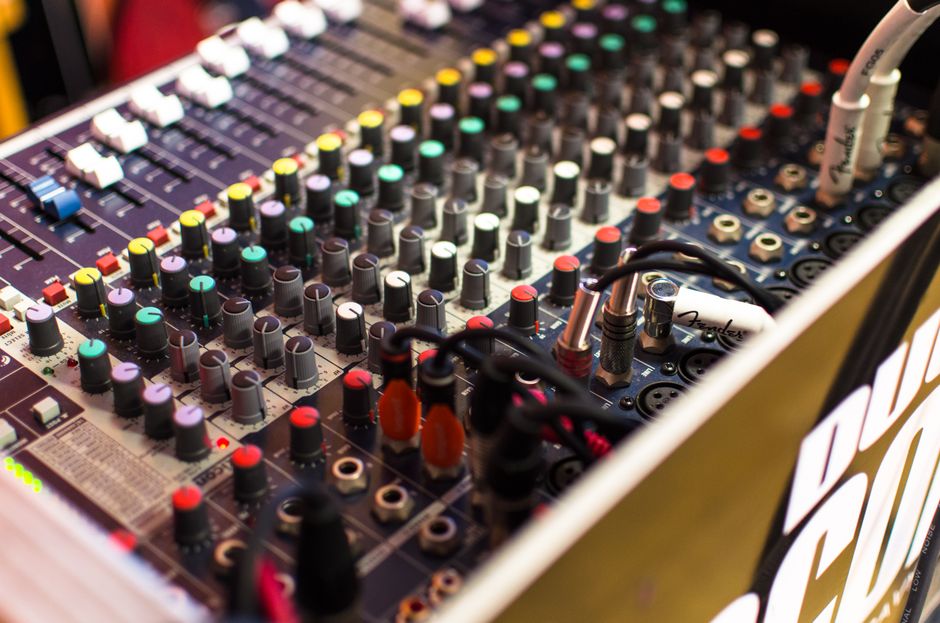
To sum up, being a DJ is about mastering technical skills, building and knowing your music library, and choosing the right equipment that suits your style. Whether you’re spinning vinyl on turntables or mixing digital tracks on CDJs, the goal is the same: to create unforgettable musical experiences. With practice and passion, anyone can learn the art of DJing. Every great DJ started from scratch.
Transitioning into the next section, we’ll explore how to turn this passion for music into a career, covering everything from practicing your craft to building an online presence.
How to Become a DJ
Becoming a DJ is more than just playing songs. It’s about creating an experience, an atmosphere that makes people feel alive. Whether you dream of lighting up local parties or performing on the grand stages, here’s how you can start your journey.
Passion for Music
The first step is simple—love music. A deep passion for music is the core of DJing. It’s what drives you to explore, understand, and share music with the world. This love for music is what will keep you going, even when the going gets tough.
Practice
Practice is key. The more you practice, the better you’ll get. Start by mixing tracks at home, experimenting with different genres and techniques. Don’t be afraid to make mistakes; every error is a step towards mastery. The goal is not to be perfect overnight but to improve consistently.
Equipment Knowledge
Understanding your tools is crucial. Learn about turntables, CDJs, DJ mixers, and DJ software. Each piece of equipment has its unique features and knowing how to use them will set you apart. Don’t worry if you can’t afford the high-end gear at the start. Many successful DJs began with basic setups.
Building a Following
Start small. Play at local events, parties, and gatherings. Use these opportunities to hone your skills and understand what makes a crowd tick. Word of mouth from these gigs can be powerful. Also, consider entering DJ contests; they’re a great way to get noticed.
Online Presence
In today’s world, having an online presence is non-negotiable. Platforms like Instagram, SoundCloud, and YouTube can be powerful tools to showcase your talent. Share mixes, behind-the-scenes content, and updates about your DJ journey. Engage with your followers and be part of the larger DJ community.
DJuki
Consider joining platforms like DJuki. Such platforms offer resources, courses, and community support to help you grow. They can be a great way to learn new techniques, discover music, and connect with other DJs.
By following these steps, you can turn your passion for music into a thriving DJ career. Every DJ’s journey is unique. Stay true to your style, keep pushing your limits, and never stop learning. The world is waiting to hear your music. Let’s get mixing!
Frequently Asked Questions about DJing
Diving into DJing can leave you with a lot of questions. Whether you’re just starting out or you’ve been mixing for a while, there’s always more to learn. Here are some of the most common questions we get asked about DJing.
What’s the difference between a club DJ and a mobile DJ?
Club DJ
– Location: A club DJ typically works in nightclubs, bars, or music festivals.
– Music Style: They often focus on specific music genres like EDM, hip-hop, or house to match the club’s vibe.
– Equipment: Club DJs might use the venue’s equipment, which is usually high-end like turntables, mixers, and CDJs.
– Interaction: Less interaction with the audience; the focus is on creating a seamless musical journey that keeps the dance floor alive.
Mobile DJ
– Location: Mobile DJs travel to various events like weddings, corporate parties, and private functions.
– Music Style: They play a broader range of music to cater to diverse crowds and event themes.
– Equipment: They bring their own equipment, which needs to be portable and versatile.
– Interaction: More interaction with the audience, taking requests and making announcements.
How much can a DJ expect to earn?
The earnings of a DJ can vary widely based on experience, location, and the type of events they play. A beginner DJ might earn around $100 per show, while top names in the industry like Calvin Harris rake in around $400,000 per gig. Starting out might require playing some unpaid gigs to gain experience and exposure. Building a strong online presence through platforms like Soundcloud can also help in attracting a following, which can lead to paid gigs.
What kind of equipment do beginner DJs need?
Starting your DJ journey doesn’t require breaking the bank. Here’s a simple list of what you need:
- Laptop: Most DJ software runs on a laptop, making it a central piece of your setup.
- DJ Software: Programs like Virtual DJ or Serato allow you to mix music digitally. Many offer free versions to get started.
- DJ Controller: A controller mimics the layout of traditional turntables and mixers but is more beginner-friendly and cost-effective.
- Headphones: A good pair of headphones is essential for cueing up tracks and monitoring your mix.
- Speakers: While not essential for practice, you’ll need speakers for performing live.
The key to becoming a successful DJ is not just about having the right equipment but also about practice, passion, and perseverance. Keep exploring music, refining your skills, and connecting with the audience. With dedication, what starts as a hobby can turn into a rewarding career.
Ready to take the next step? Dive deeper into the art of DJing and start creating your unique sound. The journey is just beginning!
Conclusion
In music and entertainment, the role of a DJ extends far beyond just playing songs. A DJ crafts unique atmospheres, turning ordinary moments into unforgettable experiences. Whether it’s a heart-pounding nightclub, a serene lounge, or an energetic pool day party, DJs have the power to elevate the vibe and connect with the audience on a profound level.
At DJuki, we understand the essence of what it means to be a DJ. It’s not just about having the right equipment or an extensive music library; it’s about passion, creativity, and the ability to read and respond to the crowd. It’s about creating a journey through music that people will remember long after the night is over.
We are dedicated to supporting DJs in their journey, offering a platform where they can find opportunities to showcase their talent and passion. Whether you’re just starting out or you’re a seasoned professional looking to expand your reach, DJuki is here to help you connect with clubs, lounges, and pool day parties that are searching for that unique sound only you can provide.
Creating unique atmospheres is what DJs do best, and at DJuki, we’re here to ensure those talents find their stage. The art of DJing is constantly evolving, and with technology and creativity at your fingertips, the possibilities are endless.
Ready to make your mark in DJing? Join us at DJuki and start turning your passion into a career. Let’s keep the party going, one beat at a time.