

How to Be a DJ: Mastering the Basics for Absolute Beginners
Discover how to be a DJ with our beginner's guide, covering everything from essential equipment to your first gig. Start your DJ journey today!
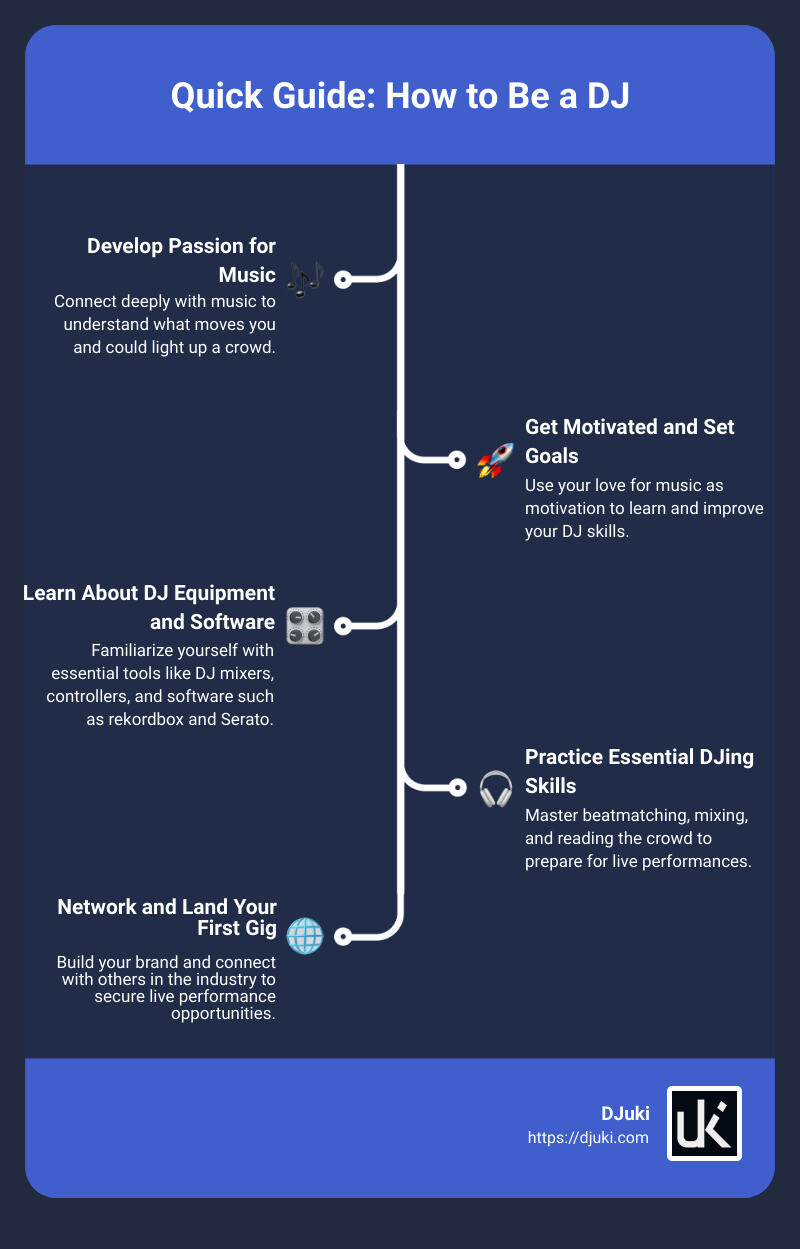
Quick Guide: How to Be a DJ
- Passion for Music: Essential for fueling your journey.
- Motivation: Drives you to learn and improve.
- Technical Knowledge: Know your equipment and software.
- Networking: Connect with others in the industry.
Diving into DJing is thrilling. Whether you aim to light up local parties in Miami or dream of setting stages on fire at major events, starting right is crucial. At its core, being a good DJ is about having a genuine passion for music and a strong motivation to share that love with others. Your journey begins with connecting deeply with music, understanding what moves you, and what might light up a crowd. This passion isn’t just for the music itself but for the unique experience you can create with it.
Yet, passion alone won’t suffice. The role of a DJ is dynamic and challenging, requiring both creativity and technical skill. You’ll need to learn about the various equipment and software that bring your mixes to life, and nothing fuels this learning better than motivation. Whether it’s mastering beatmatching or networking your way into Miami’s event scene, motivation pushes you to grow beyond bedroom sessions to electrifying live crowds.
Moreover, understanding the basics is where everyone starts. Knowing your gear, building a music library, mastering essential skills, and getting your first gig are foundational steps. As you embark on this journey, every famous DJ started just where you are now.
This brief introduction sets the stage for what’s to come. We’ll dive deeper into the types of DJs, essential equipment and software, how to build your music library, mastering DJ skills, and importantly, how to make your mark and secure gigs. Whether you’re planning to rock a wedding in Miami or simply want to understand what it takes, you’re in the right place.
Understanding DJ Types
When you’re starting on your journey to learn how to be a DJ, understand the different paths you can take. Each type of DJ has its unique set of challenges and rewards. Let’s dive into the most common types:
Club DJs
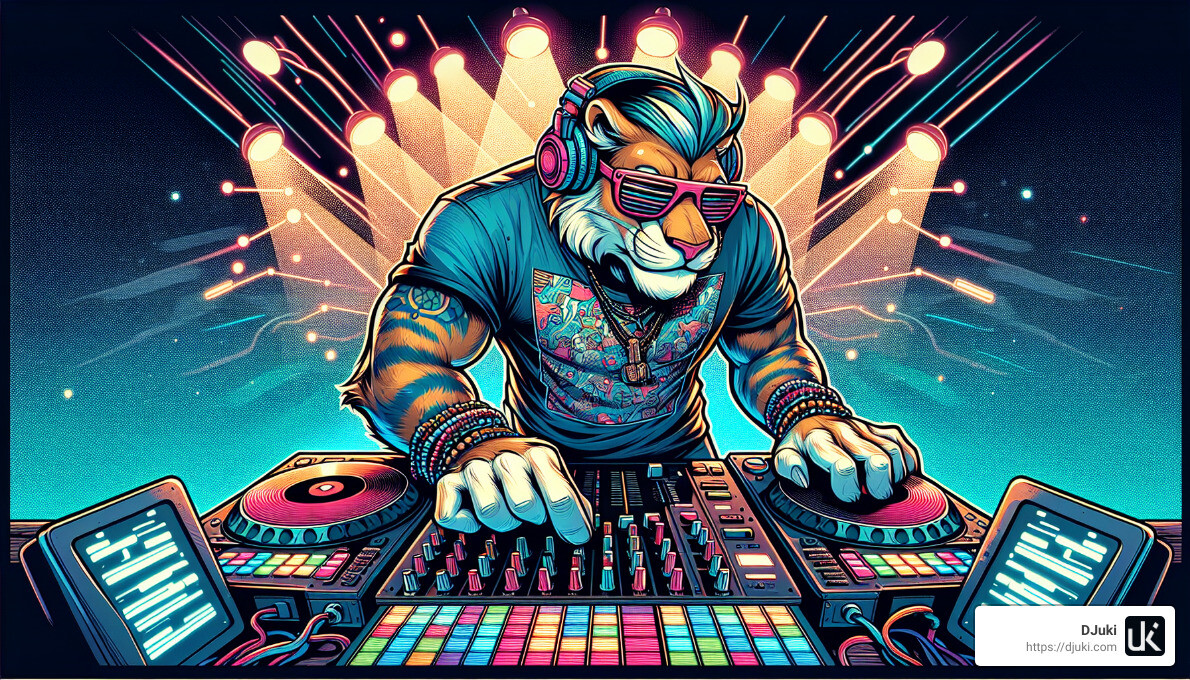
Club DJs are the heartbeat of the nightlife scene. They play in nightclubs, bars, and raves, keeping the dance floor alive with energetic beats. Success as a club DJ often depends on your ability to read and respond to the crowd, keeping the energy high and the party going. Networking and building relationships with club owners and promoters are key to landing gigs.
Radio DJs
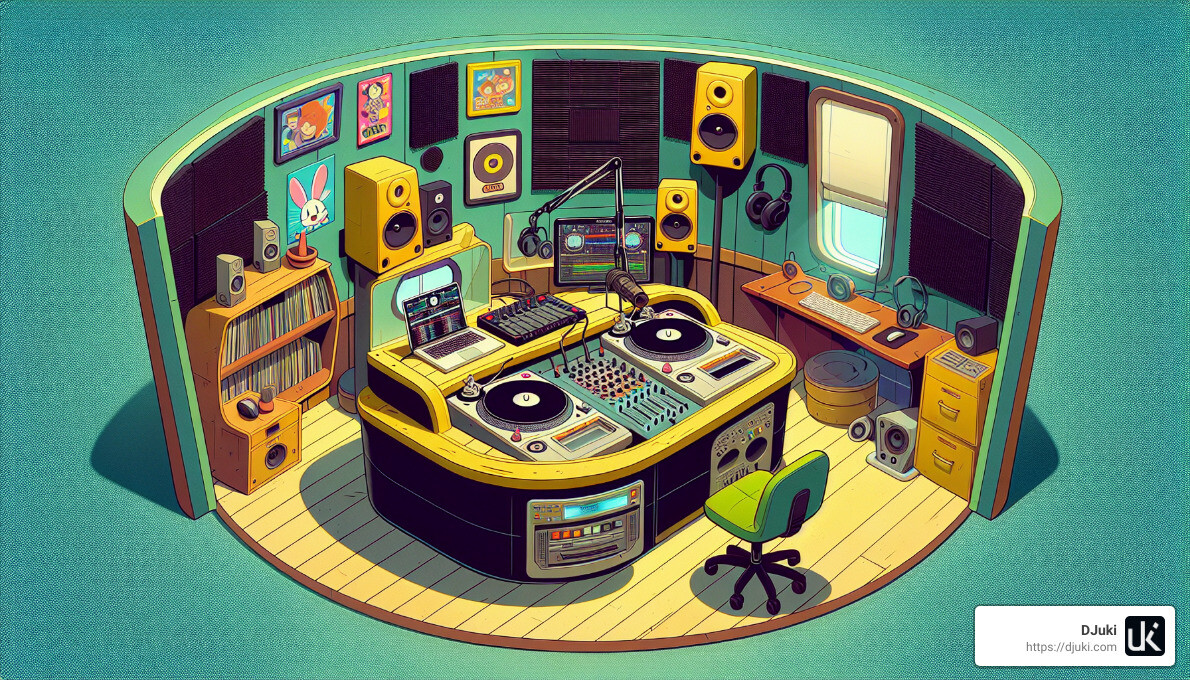
Radio DJs have a broader audience, playing music and hosting shows on AM/FM, digital, and internet radio stations. They introduce new music, engage with listeners, and often interview artists. Unlike club DJs, radio DJs need to have a strong on-air presence and the ability to entertain without the immediate feedback from a live audience.
Wedding DJs
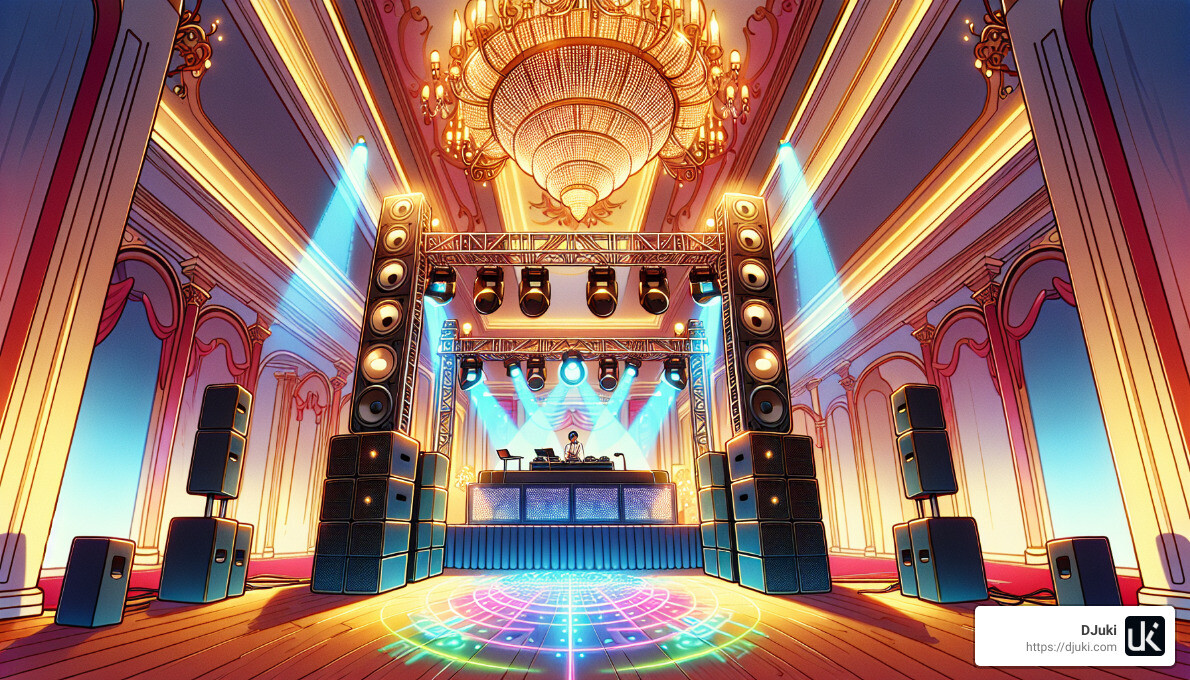
Wedding DJs play a crucial role in making someone’s special day memorable. They curate playlists to suit the couple’s preferences, make announcements, and ensure the event’s musical aspects run smoothly. Being a wedding DJ requires versatility, as you’ll need to cater to a wide range of musical tastes and age groups.
Turntablists
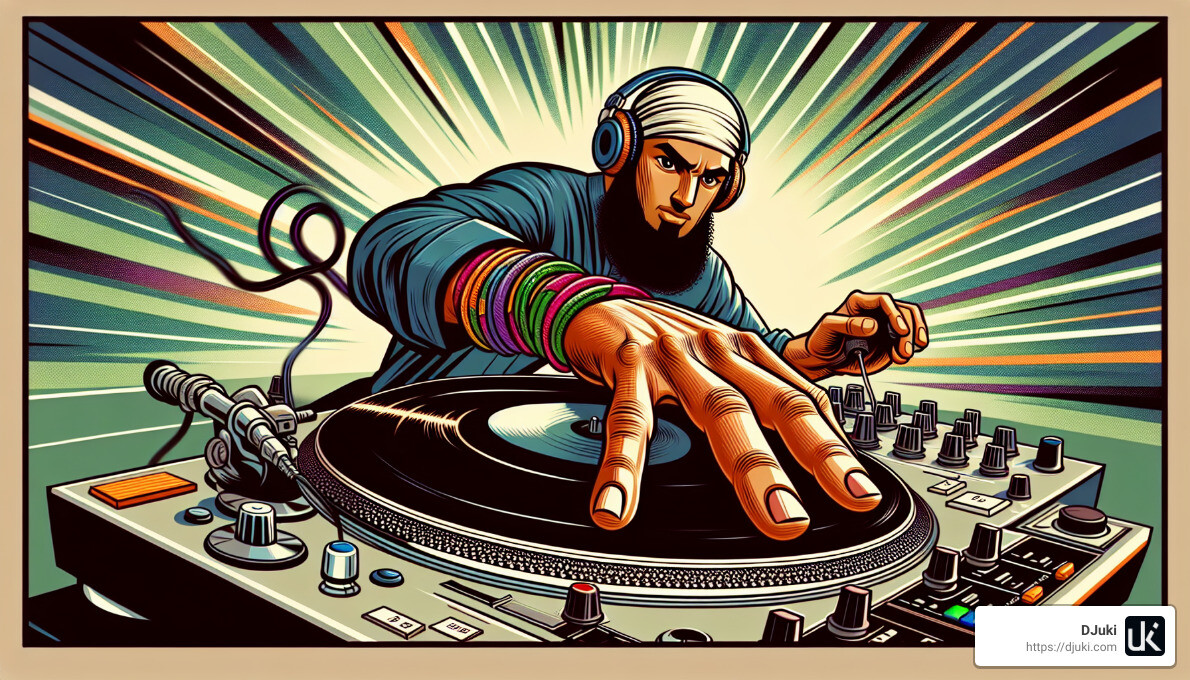
Turntablists are the artists of the DJ world, using turntables and mixers as instruments to create new music. This style of DJing is highly skillful, involving techniques like scratching and beat juggling. Turntablists often compete in battles and showcase their skills in performances.
Bedroom DJs
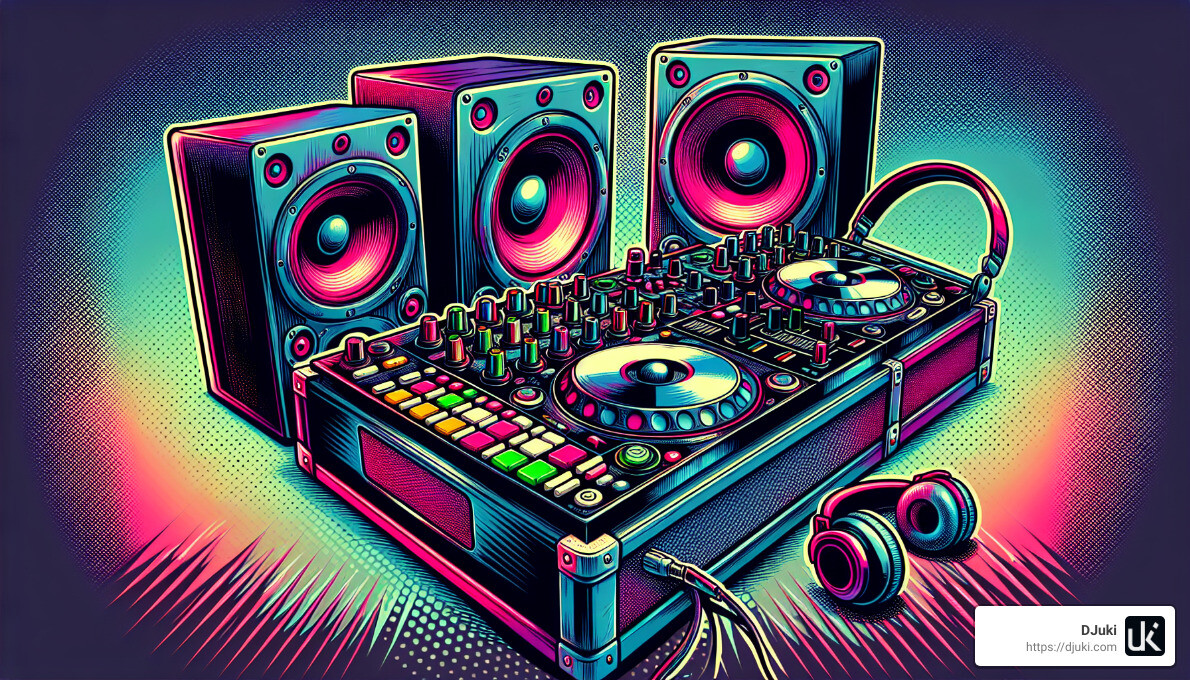
Bedroom DJs start their journey in the comfort of their own home, mixing tracks as a hobby. Many famous DJs began in their bedrooms, experimenting and honing their skills before stepping into the professional world. Bedroom DJing is a great way to practice without the pressure of a live audience.
Understanding these types will help you decide which path resonates with you the most. Whether you dream of energizing a dance floor, hosting your radio show, creating unforgettable wedding celebrations, mastering the art of turntablism, or simply enjoying the craft as a hobby, there’s a place for you in the diverse world of DJing.
We’ll delve into the essential equipment and software you’ll need to start your journey, no matter which type of DJ you aspire to be.
Essential Equipment and Software
To kickstart your journey on how to be a DJ, you’re going to need some gear. Let’s break it down into simple, easy-to-understand pieces.
Laptop
The heart of your digital setup. A reliable laptop can run DJ software smoothly, store your music library, and help you prepare sets. It doesn’t have to be the latest model, but it should be fast enough to handle your software of choice without lagging.
Decks and DJ Mixers
Think of decks as your instruments and the mixer as your orchestra conductor. Decks allow you to control and manipulate tracks, while mixers let you blend those tracks together. You can start with just two decks and a simple mixer.
Controllers
A controller combines decks and mixers into one portable device, perfect for beginners. It’s an all-in-one solution that connects to your laptop, letting you control your DJ software directly. Controllers are a budget-friendly way to get started, offering a taste of mixing without the full investment in separate decks and mixers.
Headphones
DJ headphones are your best friend. They let you cue up tracks and listen to them before the crowd does. Look for ones that are comfortable, offer good sound isolation, and have a swivel feature for one-ear monitoring.
Speakers
To practice at home, you’ll need a decent pair of speakers. They don’t have to shake the walls, but they should give you a clear representation of your mix. Active speakers, which have built-in amplifiers, are a straightforward choice.
DJ Software
Now, onto the brains of the operation: DJ software. This is where your music comes to life.
- rekordbox and Serato are two of the most popular options, offering a range of features from basic to advanced. They’re designed to be intuitive, even for beginners.
- Traktor is another heavyweight, known for its robust performance features.
- Virtual DJ is a versatile choice, great for beginners with its user-friendly interface and helpful tutorials.
- Ableton Live steps into the realm of production, allowing you to not only DJ but also create and remix tracks on the fly.
Each software has its own strengths, and many offer free trials. Spend some time experimenting to find which one feels right for you.
Starting Out
The best setup is the one that works for you. Start with the essentials: a laptop, a controller, headphones, and speakers. Choose a software that feels intuitive and start exploring. The gear is just the toolset; your creativity and skill are what truly make you a DJ.
As you grow, your setup will likely evolve. You might add more decks, upgrade your mixer, or explore new software. But for now, focus on mastering the basics. With practice and patience, you’re well on your way to rocking your first gig.
In the next section, we’ll dive into building your music library, a critical step in defining your unique sound as a DJ.
Building Your Music Library
Building your music library is like creating the foundation of a house. It needs to be strong, diverse, and constantly expanding. Here’s how to start:
Beatport, Bandcamp, Traxsource
These are your go-to online marketplaces for digital music. They’re like the big supermarkets for DJs.
- Beatport offers a vast array of electronic music. It’s perfect for finding the latest tracks and remixes.
- Bandcamp is great for discovering independent artists. You can support them directly here.
- Traxsource focuses on house music but also offers other genres. It’s ideal for DJs looking for unique beats.
SoundCloud
Think of SoundCloud as a treasure chest. It’s filled with gems, both polished and rough. Many artists offer free downloads or ‘pay what you want’ options. It’s perfect for finding unique tracks that can set your sets apart.
Music Streaming
Streaming services like Tidal and SoundCloud offer integrations with DJ software. They give you access to millions of tracks for a monthly fee. It’s like having an endless record collection at your fingertips.
DJ Pools
DJ Pools like ZIPDJ or DJcity are subscription services that provide a wide range of music. They’re especially useful if you’re buying dozens of tracks each month. Think of them as your bulk store for music.
Tips for Building Your Library:
- Start Small: You don’t need thousands of tracks. Start with 50-100 to practice mixing.
- Diversify: Mix different genres. It will make you more versatile.
- Quality Over Quantity: Choose tracks you love, not just what’s popular.
- Organize: Keep your library organized from the start. It will save you time later.
Your music library is a reflection of you as a DJ. Take your time to build it, and don’t be afraid to explore new sounds. As Äggi Blu, a Berlin DJ, said, “I love digging via the algorithmic god… They always gave me what I wanted and what I didn’t even know I wanted!”
In the next section, we’ll cover mastering DJ skills, from beatmatching to reading the crowd. This is where your music library comes to life.
Mastering DJ Skills
Mastering the art of DJing goes beyond just playing music. It’s about creating an experience that connects with your audience. Let’s dive into some essential skills you need to master.
Beatmatching
The foundation of a smooth DJ set is beatmatching. This means adjusting two tracks to play at the same tempo and phase. It’s a skill that might seem daunting at first, but with practice, it becomes second nature. Most modern DJ software and equipment can help you find a track’s BPM (beats per minute), making it easier to match beats. However, relying solely on technology isn’t advisable. Developing an ear for beatmatching is crucial, as it allows you to mix tracks seamlessly, even when technology fails you.
Mixing
Mixing is where your creativity shines. It’s about blending tracks in a way that keeps the energy flowing on the dance floor. Not all songs mix well together. Choosing tracks that complement each other in terms of key, tempo, and vibe is vital. A good mix can elevate a song, creating a unique listening experience. Experiment with different mixing techniques, like using EQs to blend basslines or applying effects for transitions. The goal is to make the transition between tracks feel as natural as possible.
Reading the Crowd
A DJ’s ability to read the crowd is what separates the good from the great. It’s about understanding the energy of the room and selecting tracks that resonate with your audience. This skill comes from experience and a deep understanding of your music library. If you notice the dance floor thinning out, it might be time to switch gears. The best DJs are those who can adapt their sets on the fly, ensuring the crowd stays engaged and energized. As one DJ put it, “knowing when to scratch is like comedic timing: you’ll know it when it’s right and when it’s just wrong.”
Networking
In the DJ world, who you know can be just as important as what you know. Networking is key to getting gigs and building your reputation. Connect with other DJs and music professionals at events, online forums, and social media. Sharing knowledge and supporting each other can open doors to opportunities you might not have found on your own. A simple conversation can lead to your next big gig. As DJuki suggests, keeping thumb drives with your mixes handy can make a lasting impression when networking.
By focusing on these four areas, you’ll be well on your way to mastering the skills needed to succeed. It’s a journey of continuous learning and practice. So, keep experimenting, stay curious, and most importantly, enjoy the ride. Next, we’ll discuss how to leverage these skills to land your first gig and start building your DJ career.
Getting Your First Gig
Landing your first DJ gig is a thrilling step in your journey. It’s where passion meets opportunity. But how do you get there? Let’s break it down into simpler steps, focusing on brand building, social media, local clubs, and private events.
Brand Building
Your DJ brand is your identity. It’s what sets you apart from the rest. Think of it as your musical signature. To start building your brand:
- Choose a DJ name that’s catchy and memorable.
- Create a logo that represents your style.
- Develop a unique sound that listeners can identify as yours.
Consistency is key. Make sure your name, logo, and sound are consistent across all platforms.
Social Media
Social media is a powerful tool for DJs. It’s where you connect with fans, share your mixes, and promote your gigs. Here’s how to use it effectively:
- Be active on platforms where your potential audience hangs out. Instagram, SoundCloud, and Facebook are great places to start.
- Share engaging content regularly. This could be behind-the-scenes photos, upcoming gig announcements, or snippets of your latest mix.
- Interact with your followers. Reply to comments, ask for feedback, and join music-related discussions.
Local Clubs
Local clubs are often the starting point for many DJs. Here’s how to approach them:
- Do your research. Find clubs that play your style of music.
- Network. Attend events, meet other DJs, and get to know the club owners.
- Offer to play for free or at a low cost initially. This can be a great way to showcase your skills and get your foot in the door.
Private Events
Private events like weddings, birthday parties, and corporate functions can also be lucrative gigs for DJs. Here’s how to land them:
- Create a professional website with your bio, mixes, and contact information.
- Reach out to event planners and offer your DJ services.
- Ask for referrals from friends and family who might know someone in need of a DJ.
Your first gig might not be at a big club or festival. It could be a small bar, a friend’s party, or even an online live stream. What’s important is getting the experience and building from there.
In conclusion, getting your first DJ gig requires a mix of brand building, social media savvy, and networking. Be patient, persistent, and positive. With the right approach, you’ll not only land your first gig but also pave the way for many more to come. Now, let’s move on to some frequently asked questions about DJing that might help clarify any doubts you have as you embark on this exciting journey.
Frequently Asked Questions about DJing
Diving into DJing can spark a lot of questions, especially for those just starting out. Here, we tackle some of the most common queries to help you better understand what to expect on your journey to becoming a DJ.
How long does it take to learn to DJ?
The time it takes to learn to DJ can vary widely from person to person. Some individuals might pick up the basics in a few months, while others may take a year or more to feel comfortable behind the decks. A lot depends on how much time you dedicate to practicing, your prior experience with music, and how quickly you grasp the technical aspects of DJing equipment and software.
DJing is not just about mixing tracks; it’s also about understanding music, reading the crowd, and developing your unique style. Continuous practice and exposure to different music genres and DJing scenarios can significantly shorten the learning curve.
Is it hard to be a DJ?
Becoming a DJ can be challenging, but like any skill, the difficulty lessens with practice and dedication. Early challenges include mastering beatmatching, building a coherent music library, and learning to read the crowd. However, the real test often comes with trying to make a name for yourself in the industry, securing gigs, and developing a unique sound that sets you apart from others.
The key to overcoming these challenges is persistence, a willingness to learn, and a genuine passion for music. With the vast amount of resources available online, including tutorials, forums, and courses, it’s never been easier to start learning how to be a DJ.
How can a beginner DJ start?
For absolute beginners, here’s a simple step-by-step guide to getting started:
-
Research and Invest in Basic Equipment: Start with a laptop and DJ software. As you get more comfortable, consider investing in a controller, which is more beginner-friendly than turntables or CDJs.
-
Build Your Music Library: Use platforms like Beatport, Bandcamp, and SoundCloud to find music. Pay attention to building a diverse library that reflects your style.
-
Learn the Basics: Focus on learning how to beatmatch by ear, understanding song structure, and practicing smooth transitions. Online tutorials, DJ courses, and books on DJing can be invaluable resources.
-
Practice Regularly: There’s no substitute for hands-on practice. Spend as much time as you can mixing tracks, experimenting with your equipment, and familiarizing yourself with your music library.
-
Record Your Mixes: Listening back to your mixes can help you identify areas for improvement. It’s also a great way to track your progress over time.
-
Network and Share Your Work: Start building your brand by sharing your mixes on social media, with friends, or on platforms like Mixcloud. Networking with other DJs and music enthusiasts can also open up opportunities for gigs.
-
Stay Persistent and Positive: Success in DJing doesn’t happen overnight. Stay focused, keep learning, and don’t be discouraged by setbacks.
Embarking on your DJing journey can be one of the most rewarding experiences. With patience, practice, and a passion for music, anyone can learn how to be a DJ. Every expert was once a beginner, so start where you are, use what you have, and do what you can. The world of DJing awaits!
As we’ve explored these common questions, it’s clear that the path to becoming a DJ is as unique as the individual pursuing it. Continuous learning and adaptation are part of the journey. For more insights and support as you develop your DJing skills, resources like DJuki are here to help.
Conclusion
Embarking on the journey of how to be a DJ is an exciting adventure filled with beats, mixes, and the joy of sharing music with others. Yet, it’s crucial to understand that this path doesn’t have an endpoint. The world of DJing evolves continuously, with new music, technology, and techniques emerging all the time. To stay relevant and successful, embracing continuous learning is not just beneficial; it’s essential.
At DJuki, we believe in supporting DJs at every stage of their career. Whether you’re just starting out or looking to refine your skills and expand your gigs, we’re here to provide the resources, advice, and opportunities you need. Being a DJ is not just about playing tracks. It’s about creating experiences, connecting with your audience, and being part of a community that celebrates music in all its forms.
Here are a few key takeaways to keep in mind as you progress in your DJing journey:
-
Never stop exploring new music. Your passion for music is what got you started, so keep that flame alive by constantly seeking out new sounds.
-
Stay up-to-date with technology. Whether it’s the latest DJ software or innovative equipment, being familiar with the tools of your trade will enhance your performance and creativity.
-
Practice makes perfect. Spend time mastering your skills, from beatmatching to mixing, and don’t be afraid to experiment with different techniques.
-
Build your network. Connect with other DJs, promoters, and music lovers. These relationships can lead to new opportunities and insights.
-
Be adaptable. Whether it’s playing a different genre than you’re used to or performing in a new venue, being flexible will help you grow as a DJ.
-
Remember the importance of self-care. DJing can be demanding, so make sure to take care of your physical and mental health.
As you continue on your path, DJuki is here to support you. Whether you’re looking for your next gig, seeking advice on how to improve, or just want to connect with like-minded individuals, we’re a community that values and celebrates the art of DJing.
Thank you for letting us be a part of your journey. Here’s to creating unforgettable experiences and moving crowds, one beat at a time. Keep spinning, keep learning, and never lose sight of the passion that drives you.