

Beginner’s Guide to Understanding What a Disc Jockey Is
Explore the exciting world of disc jockeying: Learn what is a disc jockey, their role, skills, and impact on music culture in our comprehensive guide.
What is a Disc Jockey? In simple terms, a Disc Jockey, commonly known as a DJ, is a person who plays recorded music for an audience. Whether it’s a wedding, club, radio station, or private event, DJs are there to enhance the atmosphere with carefully selected tunes.
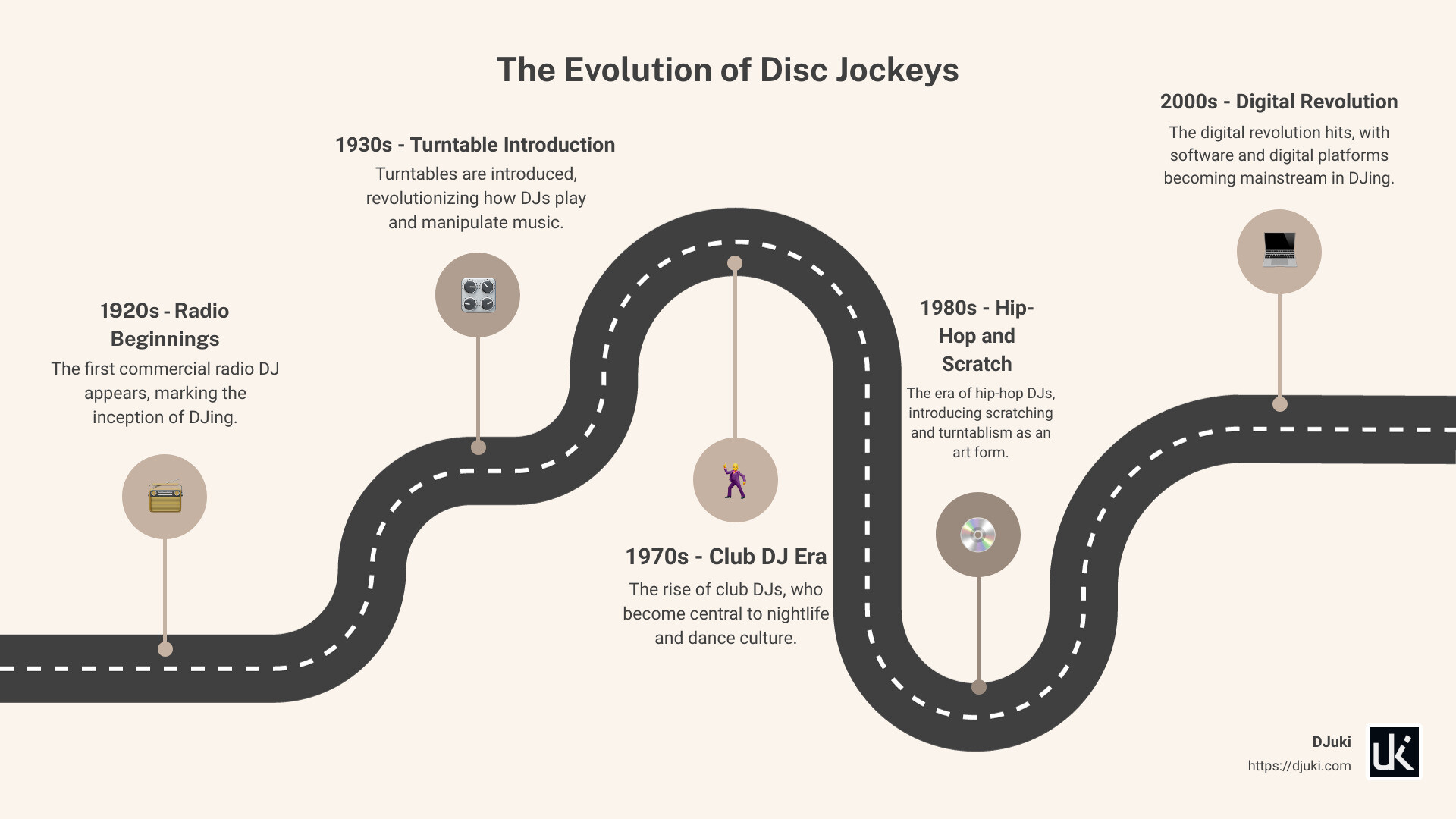
At its core, the role of a DJ is to connect with their audience, curating a setlist that resonates, entertains, and keeps the energy high, no matter the setting. From the first commercial radio station DJ in 1920 to today’s digital maestros, the evolution of DJing has mirrored advancements in technology and changes in musical tastes, yet the essence of engaging and entertaining a crowd remains unchanged.
Why Are Disc Jockeys Important? DJs do more than just play music; they create moments, memories, and move entire crowds. They often are the pulse of nightlife and celebrations, carefully crafting experiences that can make or break an event. The right DJ can elevate a good party to a great one, making them indispensable in setting the tone and atmosphere for any gathering.
Understanding the definition, evolution, and importance of disc jockeys offers a window into the dynamic world of music and event entertainment. They are not just music players; they are artists, mood setters, and often, the highlight of the event.
The Role of a Disc Jockey
When we ask, “What is a disc jockey?” we’re diving into a world where music, creativity, and audience connection blend seamlessly. The role of a DJ is pivotal in crafting the atmosphere of any event, from a high-energy club night to a cozy radio session. Let’s explore the key aspects that define this role: audience engagement, music selection, and atmosphere creation.
Audience Engagement
For a DJ, connecting with the audience is the bread and butter of their craft. Whether it’s through the microphone at a radio station or the turntables at a club, the goal is to make listeners feel a part of the experience. A skilled DJ reads the room or the airwaves and responds to the vibe. They might take requests, shout out listeners, or play a dedicated song to make the moment special. One disc jockey mentioned, “I think about how things connect,” highlighting the importance of weaving personal touches into the musical tapestry to keep the audience engaged and listening.
Music Selection
The heart of a DJ’s role lies in their music selection. This isn’t just about playing songs back-to-back; it’s about curating a journey for the audience. DJs have an extensive knowledge of genres and tracks, allowing them to match the music to the mood of the event. Whether it’s a club DJ pumping out beats that keep the dance floor alive until the early hours or a radio DJ spinning a soothing playlist for late-night listeners, their music selection is tailored to their audience’s tastes and the event’s atmosphere. It’s this musical curation that builds a loyal listening public, with more than 75 percent of DJs in surveys mentioning the importance of specialization in a specific musical genre.
Atmosphere Creation
Finally, a DJ’s ultimate task is to create an atmosphere. This could be the energy of a packed club where the bass vibrates through the crowd or the intimacy of a radio show that feels like a conversation among friends. DJs use not only music but also sound effects, special effects, and their own voices to add layers to the event’s ambiance. In clubs, the use of lighting and special effects alongside the music can transform a space, making every night memorable. On the radio, a DJ’s voice and choice of topics can turn a show into a community hub, where listeners feel seen and heard.
The role of a disc jockey is multifaceted. They are not just playing music; they are mood architects, crafting experiences that resonate with their audience. Whether it’s through engaging with listeners, selecting the perfect track, or creating an unforgettable atmosphere, DJs are central to the enjoyment and success of any musical event. Moving forward, we’ll delve into the different types of disc jockeys and the distinct flavors they bring to music.
Types of Disc Jockeys
When you hear “disc jockey,” you might picture someone at a party spinning records. But there’s so much more to it. Let’s break down the types of DJs out there, each with its unique style and role in the music world.
Radio DJ
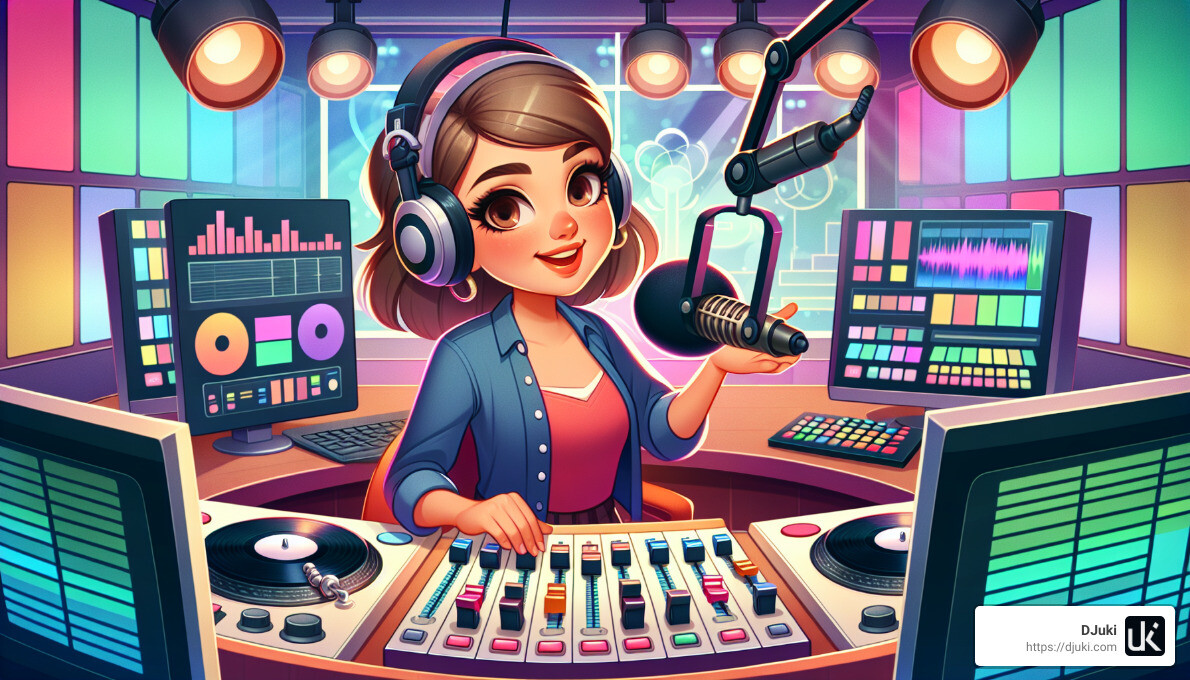
Radio DJs are the voices you hear on AM/FM and internet radio stations. They do more than just play music; they set the mood for your morning commute, your workday, or your evening unwind. They introduce new tracks, share news, and sometimes chat with listeners or interview artists. Their skill lies in creating a connection without ever seeing their audience.
Club DJ
Club DJs are the heartbeat of nightlife. They play in bars, clubs, and raves, where their primary job is to keep people dancing. They read the room, deciding when to pump up the energy or slow things down. Club DJs often have a vast knowledge of music across genres, ensuring they can cater to the diverse tastes of their audience.
Hip Hop DJ

Hip Hop DJs are masters of the mix and the scratch. Originating from the streets of New York, these DJs do more than play music; they create it. Using turntables, they manipulate records to produce new sounds and beats. Hip Hop DJs are crucial in battles and rap shows, providing the backdrop for MCs and rappers.
Reggae DJ
Reggae DJs bring the sounds of Jamaica to the world. They specialize in reggae, dancehall, and dub music. These DJs are known for their “toasting” — talking or chanting over a track — which adds a unique layer to the music. Reggae DJs play a significant role in their community, often using music to address social and political issues.
Electronic Dance Music DJ
Electronic Dance Music (EDM) DJs are the stars of festivals and raves. They play a wide range of electronic music, from house to techno to dubstep. EDM DJs are known for their ability to build up tension and release it, sending crowds into a frenzy. With the rise of digital DJing, they often use laptops and controllers to mix tracks on the fly.
Each type of DJ brings something special to the table, whether it’s the intimate connection of a radio DJ, the energy of a club DJ, the creativity of a hip hop DJ, the soul of a reggae DJ, or the excitement of an EDM DJ. They all share a love for music and a desire to bring people together through sound. As we explore further, we’ll dive into the skills and equipment that make these performances possible, highlighting the art and science behind what is a disc jockey.
Skills and Equipment Required
To truly understand what is a disc jockey, grasp the skills and equipment that bring their art to life. DJing is more than just playing music; it’s about creating an experience. Let’s break down the core components.
Turntablism
Turntablism is the heart of DJing for many. It involves manipulating sounds and creating music using turntables and a DJ mixer. Famous techniques include scratching and beat juggling. This skill requires precise hand-eye coordination and a deep understanding of musical rhythms. It’s what allows DJs to put their unique stamp on their performances.
Beat Mixing
Beat mixing is the seamless blending of tracks to keep the energy flowing on the dance floor. It involves matching the tempo of two songs and aligning their beats so the transition is smooth. This skill is crucial for maintaining the vibe of the event and keeping the audience engaged.
Sound Effects
Sound effects add depth and excitement to a DJ’s set. These can range from simple echo effects to complex layered sounds that elevate the music. Using effects tastefully can turn a good set into an unforgettable experience.
DJ Mixer
The DJ mixer is the command center for a disc jockey. It allows the DJ to blend multiple tracks, adjust levels, and add effects. A quality mixer is vital for fine-tuning the sound and ensuring that everything the audience hears is crisp and clear.
Turntables
Turntables are the traditional instrument of the DJ, allowing for the manipulation of vinyl records. They are key for turntablism and offer a tactile feel that many DJs love. Despite the rise of digital, turntables remain a symbol of DJ culture.
CDJs
CDJs are digital music players designed for DJing. They allow DJs to play music from CDs or USB drives with control similar to vinyl. CDJs have become standard in many clubs due to their versatility and ease of use.
DJ Software
DJ software has revolutionized what it means to be a disc jockey. It allows DJs to mix digital music files on their laptops, offering features like auto-beat matching, key detection, and looping. Software like Serato DJ Pro and Traktor Pro are popular choices that give DJs unprecedented control over their music.
In conclusion, being a disc jockey is about mastering an array of skills and equipment. From the tactile feel of turntablism to the precision of beat mixing and the innovation of DJ software, each element contributes to the DJ’s ability to captivate an audience. Whether it’s through the crackle of vinyl or the click of a laptop, these tools and talents are what make a disc jockey truly stand out. We’ll look into the daily life of a DJ, from the creativity required to the interaction with the audience, giving us deeper insight into DJing.
A Day in the Life of a Disc Jockey
When we dive into what is a disc jockey, we uncover a world filled with creativity, audience interaction, and music curation. Each day in the life of a disc jockey is unique, tailored to the event they are performing at, whether it be weddings, clubs, or radio.
Creativity
At the heart of every DJ’s day is creativity. A DJ crafts sets that are not just a list of songs but a journey for the audience. They blend genres, experiment with new sounds, and even remix tracks on the fly. This creativity is what sets apart an average DJ from a memorable one. As one DJ put it, “I think about how things connect,” highlighting the thoughtful process behind each selection and transition.
Audience Interaction
Interaction with the audience is crucial. For a radio disc jockey, this might mean taking calls from listeners, dedicating songs, or discussing trending topics. In a club, a DJ reads the room, adjusting the music to keep the energy high and the dance floor full. This sensitivity to the audience’s mood and preferences is what makes a DJ’s performance truly engaging.
Music Curation
Music curation is more than just playing hits. It’s about creating a vibe that suits the event and the audience. A wedding DJ, for example, curates a playlist that captures the couple’s essence while ensuring the guests have a memorable time. Club DJs, on the other hand, might focus on cutting-edge tracks to keep their set fresh and exciting. The ability to curate the right music for the right occasion is a skill honed over years of experience.
Event Types
Each type of event presents its own set of challenges and rewards:
- Weddings: DJs play a key role in making the day special, requiring a mix of sentimentality and party vibes.
- Clubs: The focus is on creating an electrifying atmosphere where people can lose themselves in the music.
- Radio: DJs engage with a broader audience, providing entertainment, information, and a sense of community.
Regardless of the setting, a day in the life of a disc jockey is never dull. From the solitude of planning and preparation to the thrill of performing live, it’s a career that demands passion, adaptability, and an endless love for music. This glimpse into their world shows us that being a DJ is about much more than just playing music; it’s about creating experiences that resonate with people long after the last note has played.
The History and Evolution of DJing
The journey of the disc jockey (DJ) is a tale of innovation, creativity, and the profound impact of technology on music. Let’s dive into how this role has evolved over time, shaping not just parties and clubs, but entire music genres along the way.
Origin of the Term
The term “disc jockey” was reportedly coined by radio commentator Walter Winchell in 1935, to describe radio personalities who introduced and played vinyl records on the air. It’s a title that has stuck and expanded in meaning over the decades.
Impact of Technology
The evolution of DJing is deeply intertwined with technological advancements. From the early days of using single turntables to the development of DJ mixers and direct-drive turntables in the 1960s, each innovation has expanded the DJ’s toolkit. The first direct-drive turntable, the Technics series by Matsushita, revolutionized DJing by providing a more reliable and precise way to play records, laying the groundwork for techniques like scratching and beatmatching.
Vinyl to Digital Transition
The transition from vinyl to digital has been one of the most significant changes in DJing. The introduction of CDJs and media players allowed DJs to play music from CDs, USB drives, and even stream music online. This shift not only made DJing more accessible but also opened up new creative possibilities, with features like looping and waveform displays. Today, DJ software and controllers have further blurred the lines between traditional DJing and digital music production.
Influence on Music Genres
DJs have played a pivotal role in the development of various music genres. In the late 1960s to early 1970s, Jamaican sound system culture and artists like King Tubby and Lee “Scratch” Perry pioneered the genre of dub music. Their innovative techniques, such as tape-based composition and remixing of pre-recorded tracks, have left a lasting impact on music, influencing genres from hip hop to electronic dance music (EDM).
The role of the DJ has evolved from simply playing records to becoming a key influencer in music trends and culture. DJs now have the power to create their own music, remix tracks on the fly, and shape the musical tastes of their audiences. This evolution reflects the changing landscape of music consumption and production, driven by technological advancements and creative exploration.
As we move into the next section, we’ll explore some of the most common questions people have about disc jockeys. From the difference between a radio jockey and a disc jockey to the equipment modern DJs use, we’ll demystify DJing and provide insights into how disc jockeys continue to influence music trends and culture.
Frequently Asked Questions about Disc Jockeys
When diving into music and entertainment, many folks often wonder about the specifics of a disc jockey’s role, how they shape the music industry, and the tools they use to bring life to parties and events. Let’s break these down into simple answers.
What is the difference between a radio jockey and a disc jockey?
At first glance, the terms radio jockey (RJ) and disc jockey (DJ) might seem interchangeable, but they refer to distinct roles within the music and broadcasting world.
-
Radio Jockeys are the voices behind the microphone on radio stations. They not only play music but also engage with listeners through conversations, interviews, and running contests. They curate music playlists but also focus heavily on creating an engaging audio experience for their audience, often without the visual aids that club DJs might have.
-
Disc Jockeys, on the other hand, are the maestros of live music events. They mix tracks, create beats, and ensure the dance floor stays alive. Whether in nightclubs, weddings, or private parties, DJs interact with their audience through the music they play, reading the room to keep the energy high.
How do disc jockeys influence music trends?
Disc jockeys hold a unique position in the music industry, acting as both influencers and gatekeepers of music trends. Here’s how they do it:
-
Spotting and Sharing New Music: DJs are always on the lookout for fresh beats and new artists. When they play these discoveries in their sets, they introduce them to a wider audience, helping new music gain popularity.
-
Creating Remixes and Mashups: Many DJs are also talented producers who remix popular tracks, giving them a new lease of life. These remixes can sometimes outshine the original, influencing the direction of music trends.
-
Setting the Atmosphere: The music played by DJs at clubs, festivals, and parties often sets the tone for what’s considered “cool” or “in” at any given time. Their selections can propel certain genres or artists to the forefront of the music scene.
What equipment do modern disc jockeys use?
Gone are the days when DJs only used turntables and vinyl records. The modern DJ’s arsenal includes a range of digital and analog equipment:
-
DJ Controllers: These are all-in-one units that control DJ software on a computer. They mimic the traditional turntable setup but allow for extensive manipulation of digital music files.
-
CDJs: Standing for Compact Disc Jockeys, CDJs let DJs play music from CDs and USB drives with the tactile feel of vinyl but without the physical records.
-
DJ Software: Programs like Serato, Traktor, and Rekordbox allow DJs to analyze, organize, and manipulate their music library with ease. They can set cues, loops, and effects, offering endless creative possibilities.
-
Mixers: The heart of a DJ setup, mixers allow DJs to blend multiple audio tracks together seamlessly. They come with various features like EQ controls, effects units, and sometimes even built-in drum machines.
-
Headphones: A good pair of closed-back headphones is crucial for DJs to pre-listen to tracks before they bring them into the mix.
In conclusion, while the essence of what a disc jockey does – curating and playing music for an audience – remains unchanged, the specifics of the role, their influence on music, and the tools they use have evolved dramatically. This evolution ensures that the art of DJing continues to be an integral part of the music and entertainment industry.
Next, we’ll look into career opportunities for aspiring DJs and the impact they have on music culture, highlighting how platforms like DJuki are making it easier for DJs to connect with audiences and events worldwide.
Conclusion
As we’ve journeyed through the dynamic world of disc jockeys, it’s clear that what is a disc jockey encompasses much more than just playing tracks. DJs are pivotal in shaping music culture, influencing trends, and creating unforgettable experiences. From the vibrant energy of club DJs to the informative presence of radio DJs, their impact stretches far and wide.
Career Opportunities
The path of a disc jockey is filled with diverse opportunities. Whether you’re passionate about lighting up the nightlife in clubs, engaging listeners on the radio, or setting the tone at private events, the possibilities are vast. However, carving out a successful career requires not just talent but also dedication, adaptability, and an eagerness to continuously learn and evolve with the music scene.
The advent of streaming platforms and social media has further broadened the horizon for DJs. By creating and sharing mixes online, DJs can reach global audiences, opening doors to international gigs and collaborations. Yet, the competition is fierce, and standing out demands both creativity and a strategic approach to branding and networking.
Impact on Music Culture
Disc jockeys have an undeniable influence on music culture. They are trendsetters, introducing audiences to new sounds and artists, and often playing a key role in the rise of new music genres. The history of hip-hop, for instance, is deeply intertwined with DJing, highlighting how these artists can shape the course of music history.
Moreover, DJs foster community and connection. Through their sets, they bring people together, transcending language and cultural barriers. The atmosphere they create can turn a simple gathering into a memorable event, making them central figures in the nightlife and entertainment industries.
DJuki
For those looking to dive into DJing or take their career to the next level, platforms like DJuki are invaluable. DJuki understands the intricacies of connecting DJs with clubs, lounges, and pool day parties, offering a streamlined way to find gigs that match your style and ambition. With resources and support tailored to the needs of both novice and seasoned DJs, DJuki helps you navigate the challenges of the industry, from securing your first gig to building a loyal following.
In conclusion, the role of a disc jockey extends far beyond playing music. DJs are artists, entertainers, and influencers, contributing significantly to the vibrancy of music culture. As the industry evolves, so do the opportunities for DJs to showcase their talents and make their mark. With platforms like DJuki, the journey becomes a little easier, guiding DJs as they turn their passion for music into a thriving career. Every beat you play not only moves the crowd but also shapes the soundtrack of our lives. Keep spinning, keep innovating, and let’s keep the party going.