

Unlocking the Power of Brand Activation: A Comprehensive Guide
Unlock the secrets of brand activation! Discover strategies, examples, and tips to engage customers and boost loyalty. Your ultimate guide awaits!
Brand Activation: Top Strategies & Tips for 2024 Success
Introduction
Are you curious about brand activation and why it’s becoming a buzzword in the marketing world? Look no further. Here’s what you need to know right away:
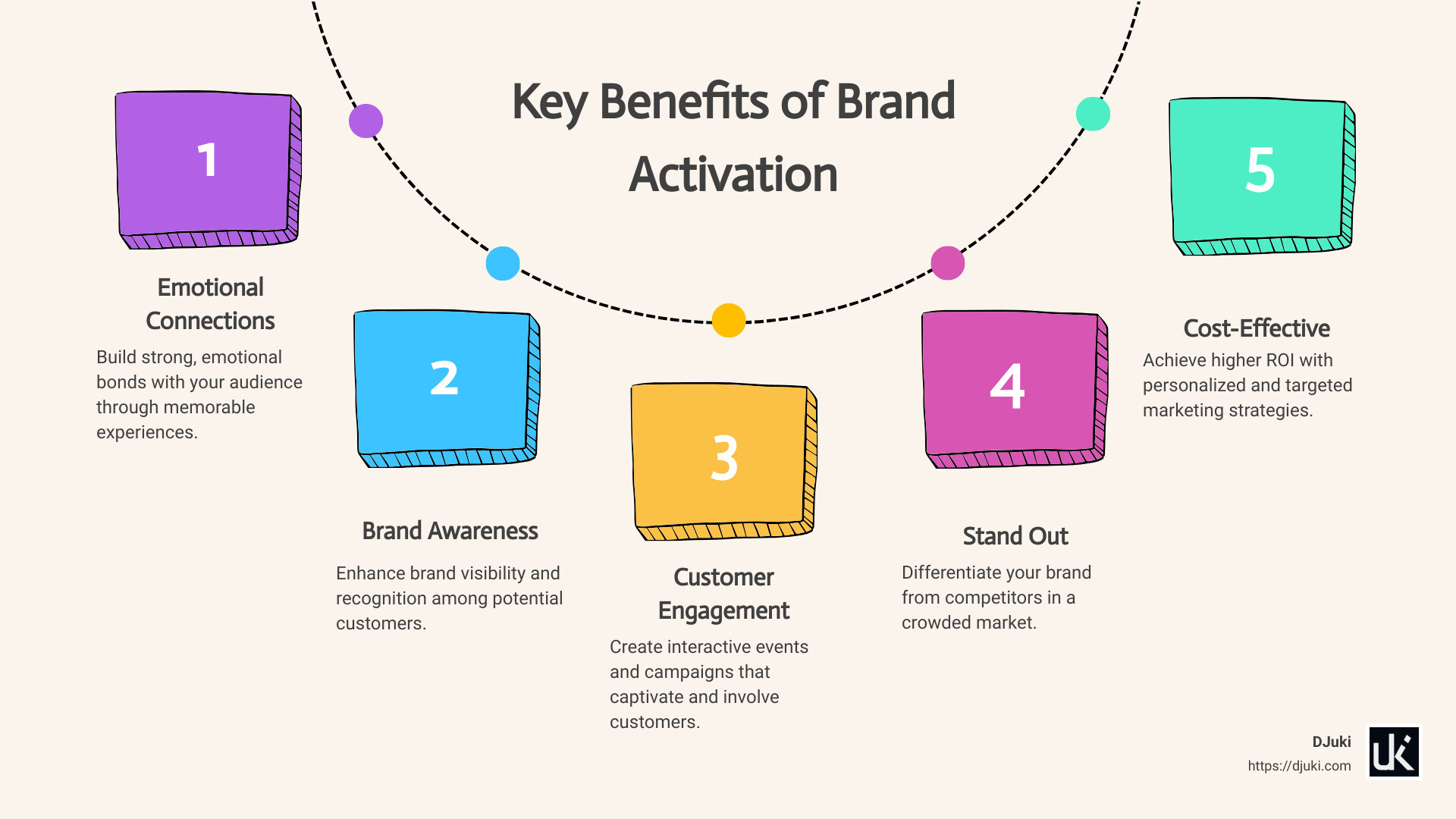
- Brand Activation is an interactive strategy to build emotional connections with your audience.
- It enhances brand awareness and separates your brand from the competition.
- This approach is more personalized and cost-effective than traditional advertising.
At its core, brand activation focuses on generating brand awareness, engaging customers, and creating emotional connections. It’s not just about showcasing your product; it’s about crafting memorable experiences that resonate with people on a personal level. From experiential events and digital campaigns to guerrilla marketing and live product demos, brand activation takes many creative forms.
Hi, I’m Kirill Basov, founder of UKi Productions. With years of expertise in orchestrating impactful brand activation events, my journey in brand activation has been about creating engaging experiences that people remember.
Next, let’s dive into what brand activation truly entails and why it’s crucial for modern-day marketing success.
What is Brand Activation?
Brand activation is all about bringing your brand to life through unique and engaging experiences. It’s how you make your brand known and memorable to people. Let’s break down some key methods of brand activation.
Experiential Marketing
Experiential marketing immerses consumers in a brand experience. Think of it as creating an event or environment where people can interact with your brand in a memorable way.
One great example is Carlsberg’s beer poster campaign. They set up a giant billboard that dispensed free beer. People could walk up, pour themselves a drink, and share their experience on social media. This kind of interaction creates a strong emotional connection between the consumer and the brand.

Guerilla Marketing
Guerrilla marketing uses unconventional tactics to grab attention and create buzz. It’s often low-cost and high-impact.
For instance, Tribord, a water sports equipment brand, created a fake drink called ‘WAVE’, which was actually seawater in a can. This campaign mimicked the experience of swallowing seawater to promote their flotation jacket. It was a clever way to make people remember the brand and its product.

Product Demos
Product demos allow potential customers to try your product firsthand. This can be done in-store, at events, or even online.
For example, Userpilot hosts webinars to showcase their product features. These demos help potential users understand the value of the product and how it can benefit them. HubSpot takes a similar approach with their certification programs, allowing users to experience their CRM and marketing platform while earning a certificate.

Next, we’ll explore why brand activation is important and how it helps your brand stand out in a crowded market.
Why is Brand Activation Important?
In today’s digital marketing landscape, standing out among thousands of brands is a tough challenge. Brand activation is a powerful tool to help your brand shine and build lasting connections with your audience. Let’s dive into why it’s so crucial.
Digital Marketing Overload
With so many brands vying for attention, it’s easy for your message to get lost. Traditional digital marketing methods can sometimes feel impersonal and repetitive. Brand activation breaks through this noise by offering unique, engaging experiences that capture attention and leave a lasting impression.
Stand Out from the Crowd
Interactive and creative methods are essential to make your brand memorable. Brand activation provides opportunities for customers to engage with your brand in a hands-on way. For instance, Vitaminwater’s “human car wash” at the WayHome Music Festival wasn’t just memorable—it solved a common problem (the heat) while promoting their brand effectively.
Building Customer Loyalty
Creating emotional connections with your audience is key to developing customer loyalty. Brand activation allows you to interact directly with your customers, making them feel valued and understood. According to a survey, 72% of customers prefer marketing messages tailored to their interests. By knowing your audience and offering personalized experiences, you can foster deeper loyalty and repeat business.
Interactive Methods
Engagement is at the heart of brand activation. Whether it’s through immersive experiences like Slack’s interactive pop-up at SXSW, or social media-driven campaigns like Sonic’s Instagram shakes at Coachella, these methods engage customers in fun and meaningful ways. This direct interaction not only boosts brand awareness but also encourages customers to spread the word.
Next, we’ll explore how to create a successful brand activation, including goal setting, budgeting, and targeting your audience.
How to Create a Brand Activation
Creating a successful brand activation involves several key steps. Let’s break them down.
Setting a Goal
First, define your objectives. What do you want to achieve with your brand activation?
Do you want to increase brand awareness? Drive sales? Build customer loyalty?
Clear goals help measure success. For instance, if your goal is to boost brand awareness, track metrics like social media mentions and event attendance.
Create a Brand Activation Budget
Next, plan your budget. Knowing your financial limits helps in resource allocation.
Cost management is crucial. Some activations, like creative booths, are cost-effective yet impactful. Others, like large-scale events, require significant investment.
Make a list of all potential expenses:
- Venue costs
- Marketing materials
- Staffing
- Technology
Allocate funds wisely to get the best return on investment.
Define Target Audience
Understanding your audience is essential. Use demographics, interests, and traits to create detailed buyer personas.
According to a survey, 72% of customers prefer marketing messages tailored to their interests. Knowing your audience ensures your activation resonates with them.
Use Online Solutions
Leverage digital tools to enhance your brand activation. Social media, digital marketing, and a strong web presence can amplify your reach.
Social media is powerful. Platforms like Instagram and TikTok can make your activation go viral. Encourage sharing by creating engaging, shareable content.
Digital marketing strategies, such as email campaigns and online ads, help you reach a broader audience.
Digital Product Sampling Campaigns
Product trials are a fantastic way to engage customers. Let them experience your product firsthand.
Gather customer feedback during these trials. This data is invaluable for improving your products and understanding customer preferences.
Track engagement metrics to measure the success of your sampling campaigns. Look at how many samples were distributed, customer reactions, and follow-up purchases.
By following these steps, you can create a successful brand activation that resonates with your audience and achieves your business goals. Next, we’ll dive into strategies and management tactics to take your brand activation to the next level.
Brand Activation Strategies and Management
Determine What Your Brand Stands For
Before diving into any brand activation, you must define your brand message. This isn’t just about how you position your brand but what you want people to think and feel about it. Your brand values should be clear and resonate with your target audience.
To get started, conduct a SWOT analysis (Strengths, Weaknesses, Opportunities, Threats). This will help you understand where your brand stands in the market and identify areas for improvement and opportunities for growth.
Example: When Vitaminwater created a human car wash at the WayHome Music Festival, they clearly communicated their brand value of refreshing hydration in a fun and memorable way.
Explore Tactics to Reach Your Audience
Once you know what your brand stands for, it’s time to think about how to reach your audience. There are many tactics you can use to make your brand activation engaging and memorable:
-
Interactive Installations: Set up booths or displays where people can engage with your product directly. For example, Slack’s interactive pop-up experience at SXSW included 3D selfie scenes and a “Work from Anywhere” lounge.
-
Mobile Vans: Take your brand on the road. A mobile van can visit various locations, offering product samples or experiences. This is a great way to reach a broader audience.
-
Games and Activities: Create games or activities that align with your brand message. Durango Boots set up a mechanical bull ride at the Boots and Hearts festival, giving their target audience a fun, relevant experience.
Think About Management
Effective management is crucial for successful brand activation. You need a well-coordinated team where everyone knows their roles and responsibilities.
-
Team Coordination: Ensure that your team is on the same page. Regular meetings and clear communication channels can help keep everyone aligned.
-
Role Assignments: Assign specific roles to team members based on their skills and expertise. This will ensure that each aspect of the activation is handled by someone capable and dedicated.
Example: Sonic’s experiential marketing campaign at Coachella required precise coordination to ensure that the square-shaped shakes were perfectly Instagrammable and available only through the platform.
By focusing on these strategies and management tactics, you can create a brand activation that not only captures attention but also builds lasting connections with your audience. Next, we’ll look at some innovative brand activation examples to inspire your own campaigns.
Innovative Brand Activation Examples
Revolve
Revolve, a well-known brand for apparel, shoes, and accessories, excels in brand activation through influencer marketing and global campaigns. Their “Revolve Around The World” campaign is a prime example. They invited influencers on a global trip starting with a carnival in L.A. This approach not only showcased their products but also built a strong following and improved brand engagement. By leveraging influencers, Revolve created a buzz that resonated with their target audience, making their brand more relatable and memorable.
Foster’s No Worries Motel
Foster’s, the famous Australian beer brand, took an innovative approach with their brand activation by setting up the “No Worries Motel.” In partnership with Airbnb, they created a pop-up hotel inside a blue shipping container at a music festival in Finland. This unique experience allowed festival-goers to book a room using the Airbnb app, blending the excitement of a music festival with the comfort of a quirky hotel stay. This activation not only engaged young music fans but also strengthened Foster’s brand presence in a fun and memorable way.
Uber & Spotify
In a brilliant collaboration, Uber and Spotify launched the “Soundtrack for Your Ride” campaign. This brand activation allowed Uber passengers to control the music during their ride, enhancing the overall experience. This partnership solved a common problem for Uber customers—music control during commutes—while also positioning Spotify as a user-friendly and essential app. The result was increased audience engagement and a wider reach for both brands, showing how effective partnerships can be in creating impactful brand activations.
By examining these innovative examples, you can find inspiration for your own brand activation campaigns, ensuring they are both creative and effective in engaging your audience.
Measuring the Success of Brand Activation
Customer Acquisition
To see if your brand activation efforts are working, start by looking at customer acquisition. Did the number of customers increase?
Check your sales data. Did you see a rise in sales or revenue? For example, after Atlassian offered free trials of their software, they saw a significant uptick in paying customers. Free trials can be a great way to get new customers to try your product without any risk.
Engagement on Social Media
Social media is a powerful tool for measuring engagement. Look at your followers, mentions, comments, and likes. Did these numbers go up during or after your brand activation event?
For instance, 88% of brands use social media to boost awareness. If more people are talking about your brand, sharing your posts, or following your accounts, it’s a good sign your activation is working.
Live Engagement During the Event
During the event itself, keep an eye on live engagement. Are people participating? Are they excited and involved?
A great example is the Foster’s No Worries Motel, a pop-up hotel at a music festival. The unique setup drew in festival-goers and created a memorable experience. High participation and a lively atmosphere are indicators of a successful event.
Metrics
Lastly, dive into metrics to get a detailed picture of your campaign’s performance. Track key performance indicators (KPIs) like:
- Campaign performance: Did the campaign meet its objectives?
- ROI analysis: Did the benefits outweigh the costs?
By measuring these aspects, you can see what worked and what didn’t, helping you refine your strategies for future brand activations.
By focusing on these areas, you can ensure your brand activation efforts are not only creative but also effective in achieving your goals.
Frequently Asked Questions about Brand Activation
What is an example of brand activation?
Brand activation is all about creating experiences that make people notice and remember your brand. One great example is product demos. Think about when you walk into a store and see a new gadget being demonstrated. You can touch it, try it, and see how it works. This hands-on experience makes the product more memorable.
Another example is visual demonstrations. For instance, Userpilot showcases their brand values on Product Hunt, attracting like-minded people through engaging visual content. This not only highlights their product but also connects emotionally with their audience.
How do you create a brand activation?
Creating a brand activation involves several steps. First, you need to plan your marketing campaigns. Decide whether you want to focus on online or offline methods—or a mix of both.
For online integration, use social media and digital marketing. HubSpot, for example, uses certification programs to drive brand activation. This helps them reach a large audience and engage users online.
For offline integration, consider experiential marketing. Foster’s No Worries Motel is a great example. They created a pop-up experience at music festivals, allowing people to live the brand.
What is another word for brand activation?
Another way to describe brand activation is brand engagement. It’s all about creating an emotional connection with your audience. When people engage with your brand, they feel a bond that goes beyond just knowing your name. This connection fosters trust and loyalty, making your brand stand out in a crowded market.
By focusing on these elements, you can unlock the power of brand activation and create memorable experiences that resonate with your audience.
Conclusion
Creating a successful brand activation campaign can do wonders for your brand loyalty. When done right, it helps to build strong emotional connections with your audience. This connection makes your brand memorable and trustworthy.
At DJuki, we understand the importance of creating a unique atmosphere for your brand activation events. Our expertise in entertainment marketing ensures that every event we plan is not just attended, but remembered.
We use top-tier sound libraries and special effects to create an unforgettable experience. Whether it’s a corporate event or a product launch, our goal is to make every moment special.
Ready to elevate your next event? Learn more about our services here.